Pancreatic Cancer



What is the pancreas and what is pancreatic cancer?
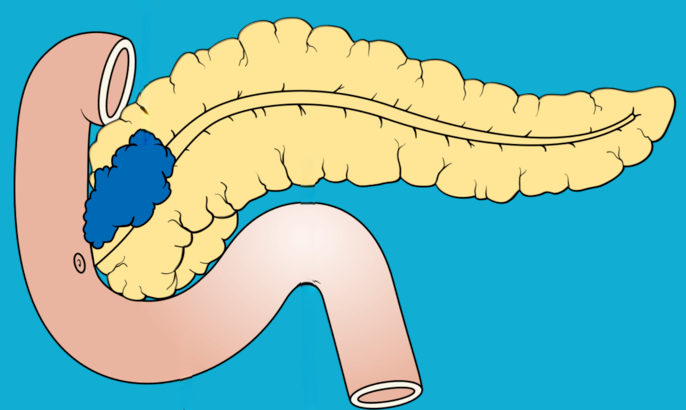
Pancreatic cancer is a disease in which cancer cells form in the pancreas and then grow.
The pancreas is a flat, long organ lying in the upper abdomen behind the stomach and in front of the vertebral body. It is a soft gland divided into the head, body and tail. Many vital structures — such as the hepatic artery, superior mesenteric artery, portal vein, splenic artery and splenic vein — pass through it or very close to it. It is intricately attached to the duodenum, and the bile duct courses through the head of the pancreas before draining into the duodenum.
The pancreas produces enzymes for digestion (exocrine function) and various hormones (endocrine function). Most pancreatic cancers begin in the cells performing the exocrine function.
What are the signs and symptoms of pancreatic cancer?
Pancreatic cancer is a lethal disease, made more so by the fact that it usually does not cause any symptoms until it is advanced. Cancer arising in the body of the pancreas reveals itself in a more advanced stage, as it is hidden behind other organs. Cancer in the head of the pancreas usually compresses the bile duct and causes yellowing of the eyes and urine, called jaundice, usually accompanied by pale stools and itching.
Signs and symptoms of pancreatic cancer include:
- Jaundice (yellowing of skin, eyes and urine with pale stools)
- Abdominal pain
- Weight loss and loss of appetite
- Recent-onset diabetes
What are the risk factors of pancreatic cancer?
Anything that increases your risk of getting a disease is called a risk factor. The risk of pancreatic cancer increases with age. Some patients get this disease because they are genetically more prone, such as those with a family history or hereditary conditions like multiple endocrine neoplasia type 1 (MEN1), hereditary nonpolyposis colorectal cancer (HNPCC; Lynch syndrome), von Hippel-Lindau syndrome, Peutz-Jeghers syndrome, hereditary breast and ovarian cancer syndrome and familial atypical multiple mole melanoma (FAMMM) syndrome.
Risk factors for pancreatic cancer are:
- Old age
- Smoking
- Family history or hereditary conditions
- Chronic pancreatitis
- Obesity
How is pancreatic cancer diagnosed and staged?
Once pancreatic cancer is suspected, it is diagnosed and staged by a high-resolution, thin-cut, triple-phase CT scan. Your surgeon will also do tests to quantify your jaundice, check your kidney function, haemoglobin and blood clotting parameters. A tumour marker called CA 19-9 is also checked, along with a chest X-ray or CT scan of the chest to look for any tumour.
Based on the results, the disease is classified into resectable, borderline resectable, unresectable or metastatic.

- Resectable: the disease can be clearly removed by surgery.
- Borderline resectable: the cancer is infiltrating a vital vessel but can still be removed by surgery, either by cutting or re-joining the involved vessel and/or by giving chemotherapy or chemoradiotherapy before surgery (neoadjuvant treatment) to shrink the tumour.
- Unresectable: the disease has reached a stage where it cannot usually be removed surgically.
- Metastatic: the cancer has spread to organs beyond the pancreas; this is advanced stage and curative treatment is not possible.
What is TNM staging for pancreatic cancer?
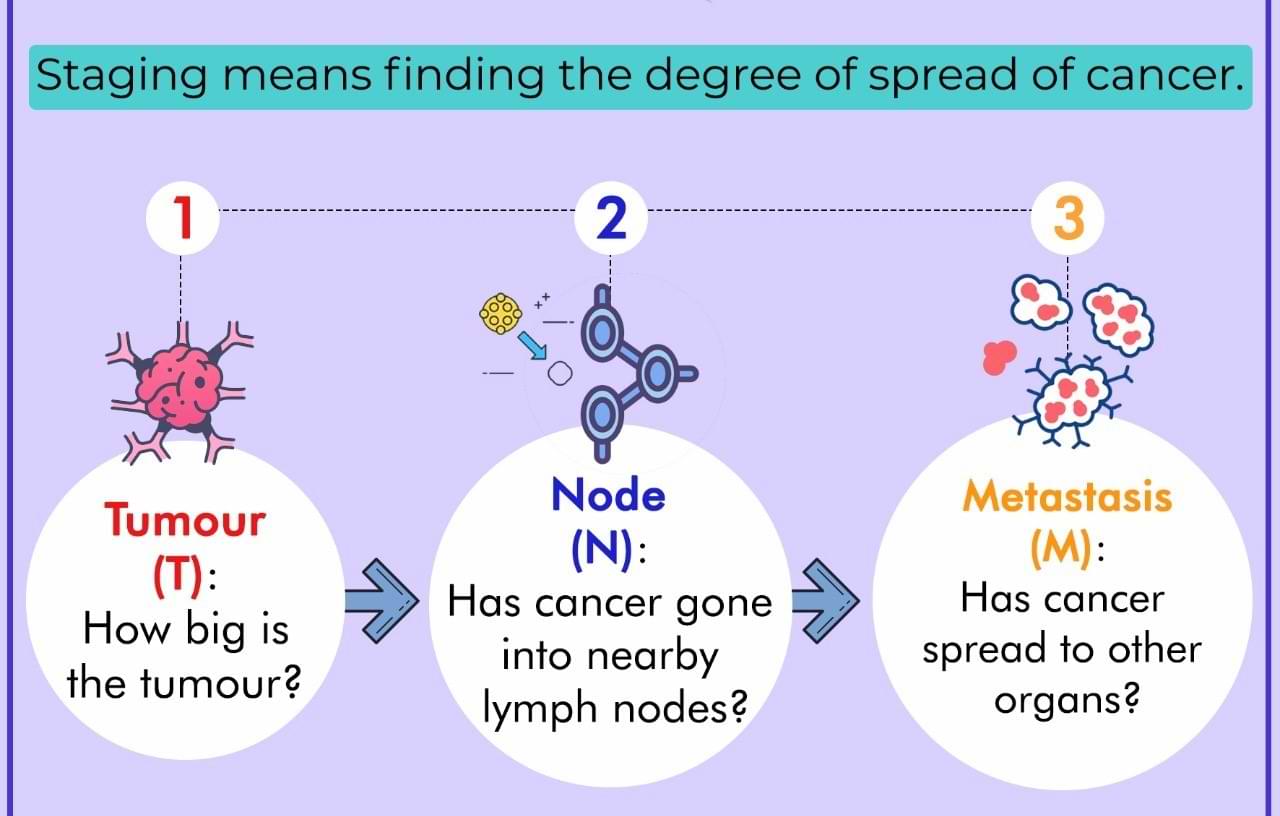
The TNM staging system classifies the extent of the cancer:
- T (Tumour): How far has the cancer grown into the pancreas and nearby tissues?
- N (Node): Has the cancer spread to nearby lymph nodes? And to how many?
- M (Metastasis): Has the cancer spread to distant organs such as the liver or lungs?
How is pancreatic cancer treated?
The treatment depends upon the stage of the disease and the degree of jaundice. Surgery is the best possible option and can be considered if the cancer is diagnosed at a resectable or borderline resectable stage. If the jaundice is very high, the surgeon may decrease it before surgery by doing a procedure called ERCP and stenting, in which a plastic or metallic tube is placed in the compressed bile duct to open it up.
If the tumour is advanced, neoadjuvant treatment (chemotherapy or chemoradiotherapy) may be given to decrease the size of the tumour and increase the chances of survival. For unresectable tumours, an attempt is made to downstage them so that they can be surgically removed.
For metastatic cancers, surgery is not an option. After FNAC/biopsy and stenting (if jaundiced), chemotherapy is given to prolong survival. If the tumour blocks the passage of food, a metal stent is placed endoscopically, or a bypass surgery is done if this fails.
Which surgery is done for pancreatic cancer?
The surgery depends upon the location of the tumour. For cancers of the pancreatic head, a Whipple operation, also known as pancreaticoduodenectomy, is done. For cancer of the body and tail, distal pancreatectomy is done.
Whipple procedure (pancreaticoduodenectomy)

In pancreaticoduodenectomy, the head of the pancreas is removed along with the duodenum, bile duct, gall bladder, part of the stomach, a small part of the small intestine and adjacent lymph nodes. To restore continuity, the small intestine is then joined to the pancreas, the remaining bile duct and the stomach.
Distal pancreatectomy
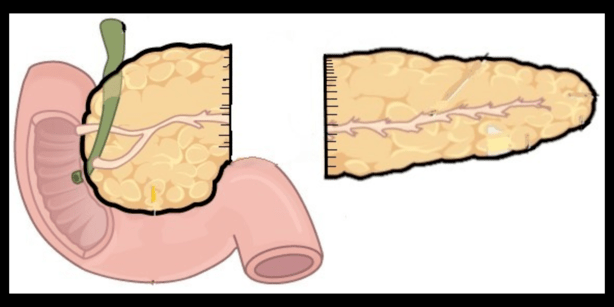
For tumours of the body and tail of the pancreas, the tail along with the body (and often the spleen) is removed while the head is preserved.
What are the benefits of minimally invasive surgery for pancreatic cancer?
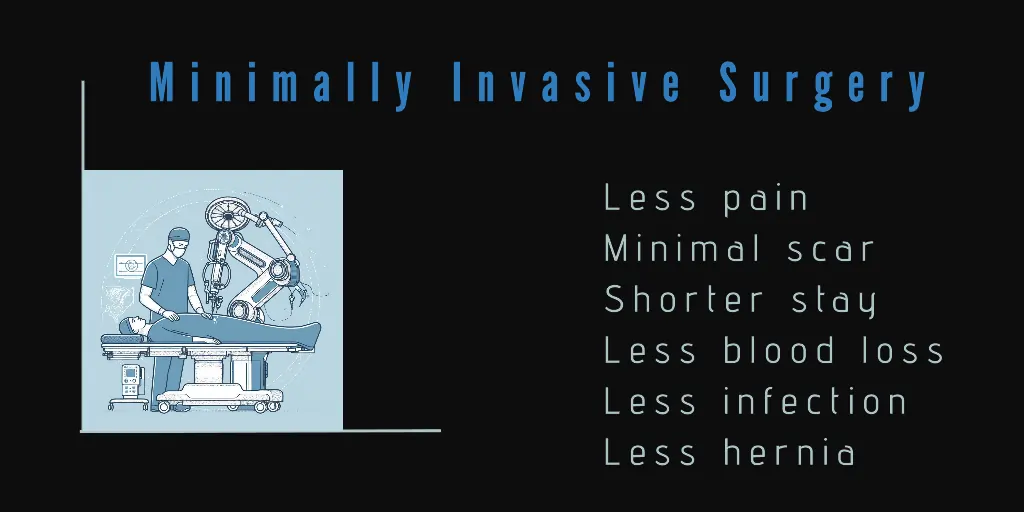
In robotic surgery or laparoscopic surgery, we make a few small holes over the abdomen instead of a large cut.
Minimally invasive surgery markedly reduces post-operative stress and pain, leading to faster recovery and a shortened hospital/ICU stay. Blood loss is decreased, intestinal movement returns quicker and the overall complication rate is reduced — resulting in an earlier return to home and work.
Laparoscopic surgery for pancreatic cancer
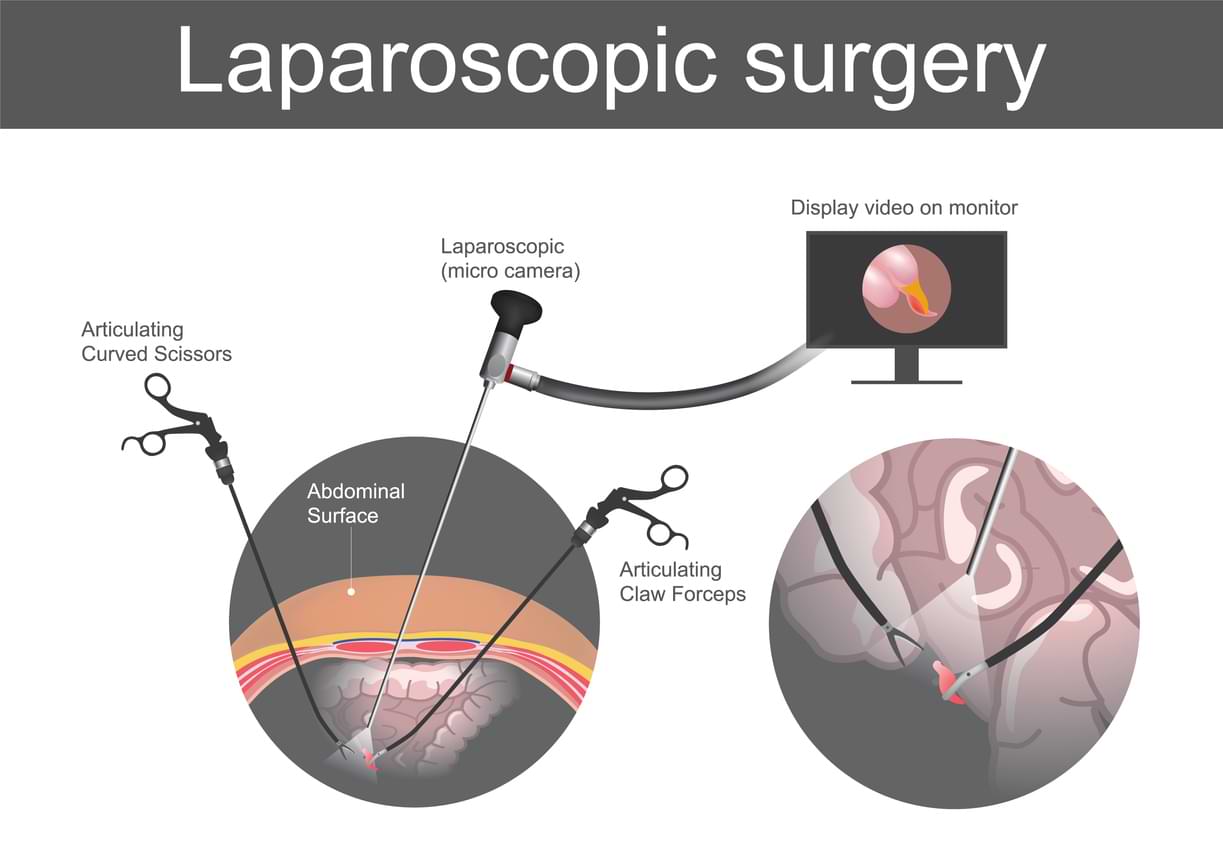
Laparoscopic pancreatic surgery is performed through small keyhole incisions using a camera and long, thin instruments, allowing precise removal of the pancreas with smaller scars.
Can pancreatic cancer be prevented?
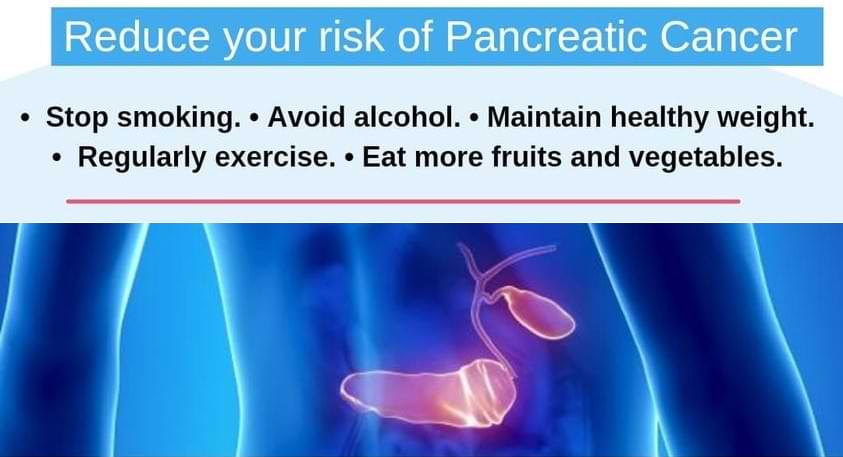
While pancreatic cancer cannot always be prevented, you can lower your risk by not smoking, maintaining a healthy weight, limiting alcohol and eating a balanced diet. If you have a family history or hereditary conditions, discuss screening options with your doctor.
Related Articles

About Author
Dr. Nikhil Agrawal
MS, MCh
Dr. Nikhil Agrawal is a leading GI-HPB Surgical Oncologist with 20+ years of experience in complex cancers of the esophagus, stomach, colon, rectum, liver, pancreas, gallbladder, and bile ducts. He leads the GI-HPB Oncology Program at Apollo Hospitals, Delhi and Gurugram, with expertise in advanced robotic and laparoscopic cancer surgery.
His practice focuses on evidence-based, multidisciplinary care with an emphasis on individualized treatment and long-term outcomes.
He trained at BHU, SGPGI Lucknow, AIIMS New Delhi, and SNUBH, South Korea, and is a robotic surgery proctor who trains surgeons in advanced GI-HPB cancer surgery. He is also regularly invited as faculty at national and international scientific meetings.
This website helps patients and families understand GI and HPB diseases and cancers, treatment options, and what to expect during recovery and long-term care.