Rectal Cancer
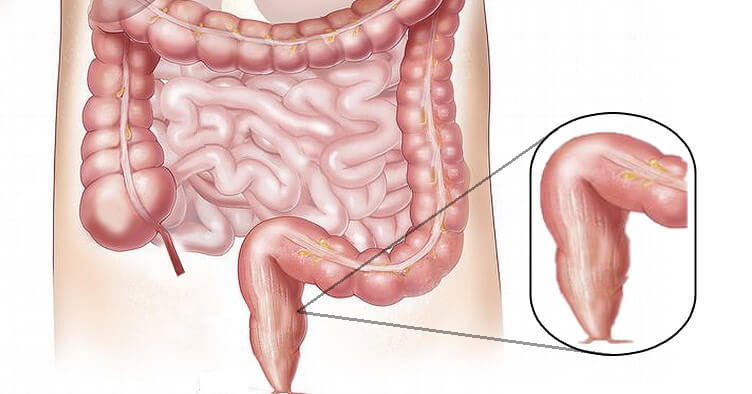


What is the rectum and what is rectal cancer?

The rectum is the last part of the gastrointestinal tract, connecting the colon to the anus. It stores the stool before it is passed out. Rectal cancer and colon cancer are generally clubbed together and discussed as colorectal cancer. However, there are many important differences.
The rectum sits in a narrow cavity called the pelvis, barely separated from adjacent organs and bone. Moreover, many times the tumour is very close to the anal sphincter — the muscle ring responsible for holding the stools in. Because of this, the treatment of rectal cancer differs from colon cancer.
What are the signs and symptoms of rectal cancer?
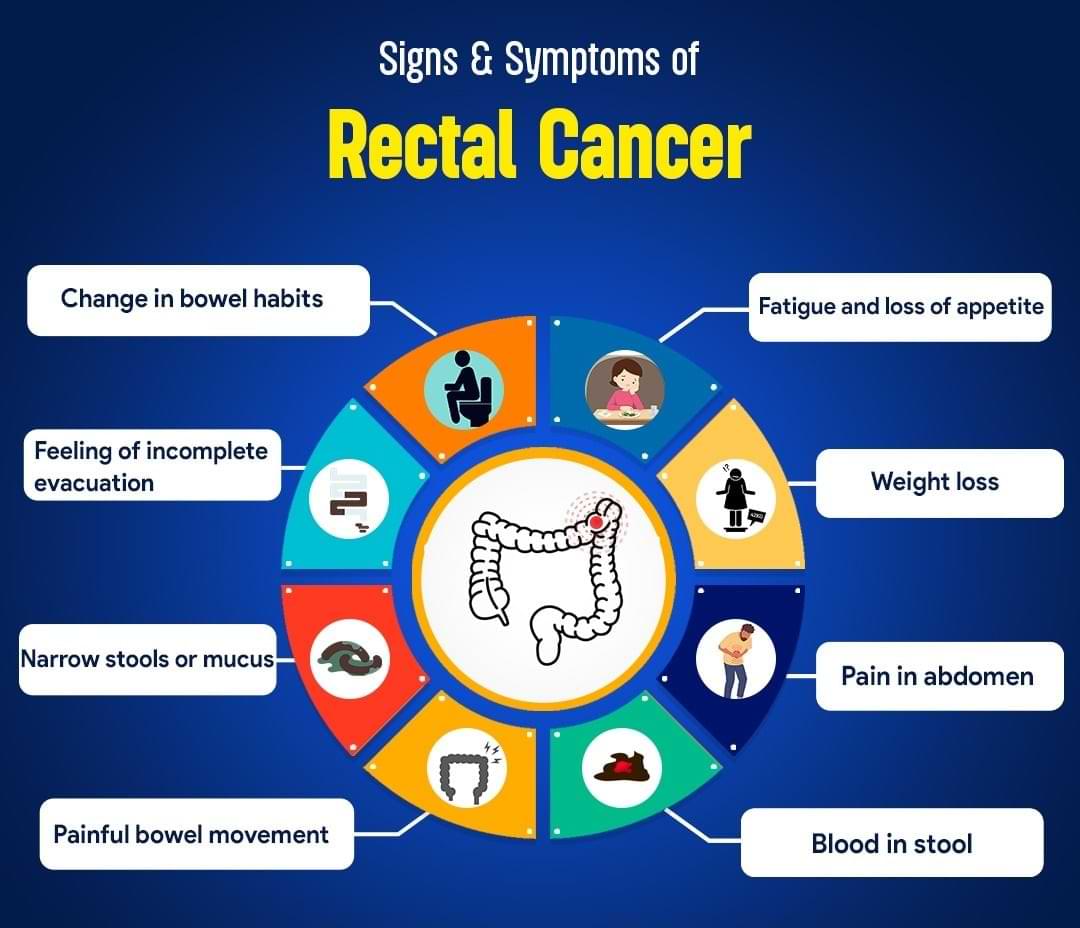
These cancers, like most other gastrointestinal cancers, are asymptomatic in the initial stages.
The symptoms of rectal cancer include:
- Change in bowel habits; persistent diarrhoea or constipation
- Feeling of incomplete evacuation
- Narrow stools or mucus in stool
- Painful bowel movements
- Unexplained fatigue and loss of appetite
- Unintentional weight loss
- Fall in haemoglobin (anaemia)
- Pain or discomfort in abdomen
- Patches of dark blood in stool
What are the causes and risk factors of rectal cancer?
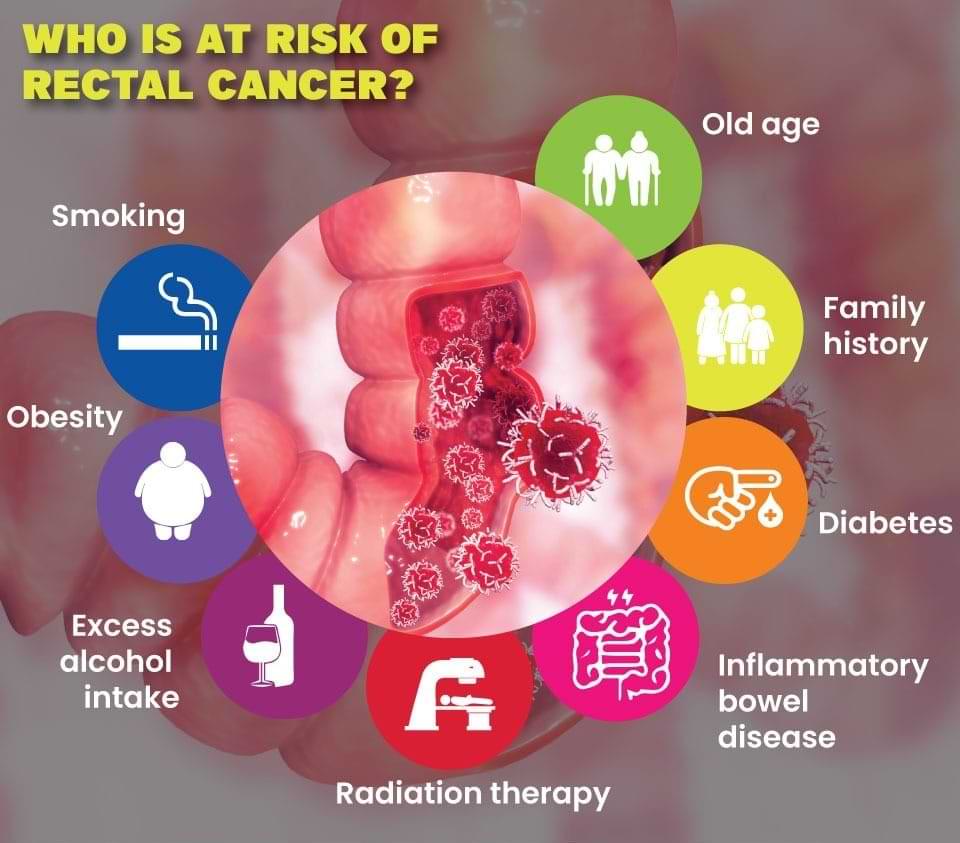
Some gene mutations run in families and increase the risk of colorectal cancer. The most common inherited colorectal cancer syndromes are:
Risk factors for rectal cancer are:
- Hereditary nonpolyposis colorectal cancer (HNPCC): people with HNPCC tend to develop colorectal cancer before age 50
- Familial adenomatous polyposis (FAP): a rare disorder in which thousands of polyps develop in the lining of the colon and rectum and turn into cancer; untreated FAP greatly increases the risk before age 40
- Western diet
- Older age
- History of colorectal polyps
- Family history of colorectal cancer
- Inflammatory conditions of the colon
- Diabetes and obesity
- Smoking and alcoholism
How is rectal cancer diagnosed?
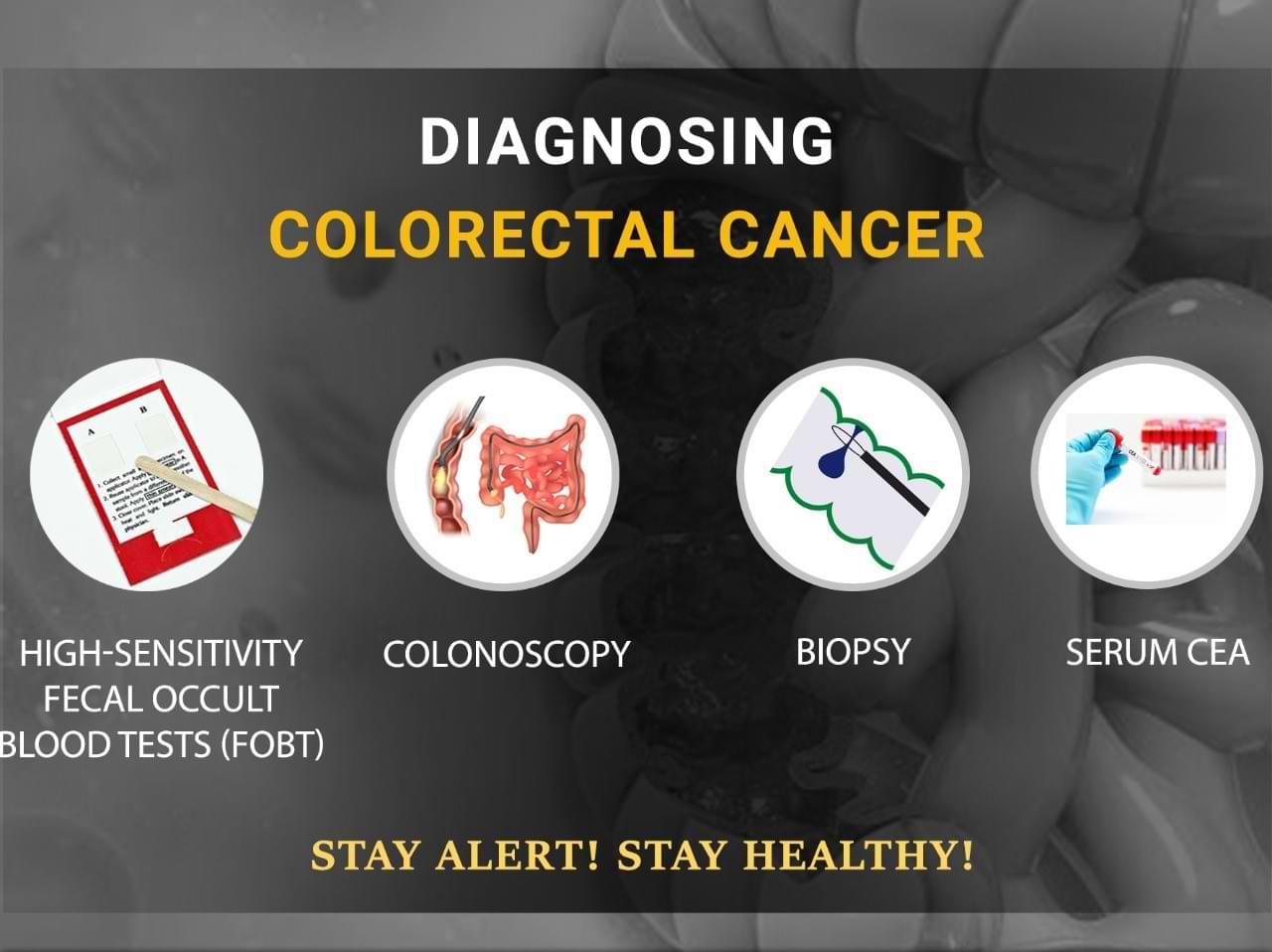
Diagnosis of colorectal cancer is established by doing a colonoscopy. It is a procedure in which a flexible thin tube with a camera is passed and the rectum is seen from inside. If any abnormality is seen, a small sample is obtained from it, called a biopsy, and examined under a microscope, confirming the diagnosis.
How is rectal cancer staged?
Following the work-up, a stage is assigned to the tumour, which spans from I to IV. It is based on three key elements: the extent (size) of the tumour (T), the spread to nearby lymph nodes (N), and the spread (metastasis) to distant sites (M).
For rectal cancer, imaging such as MRI of the pelvis is important to assess how close the tumour is to the surrounding structures in the narrow pelvis.
What is TNM staging for rectal cancer?
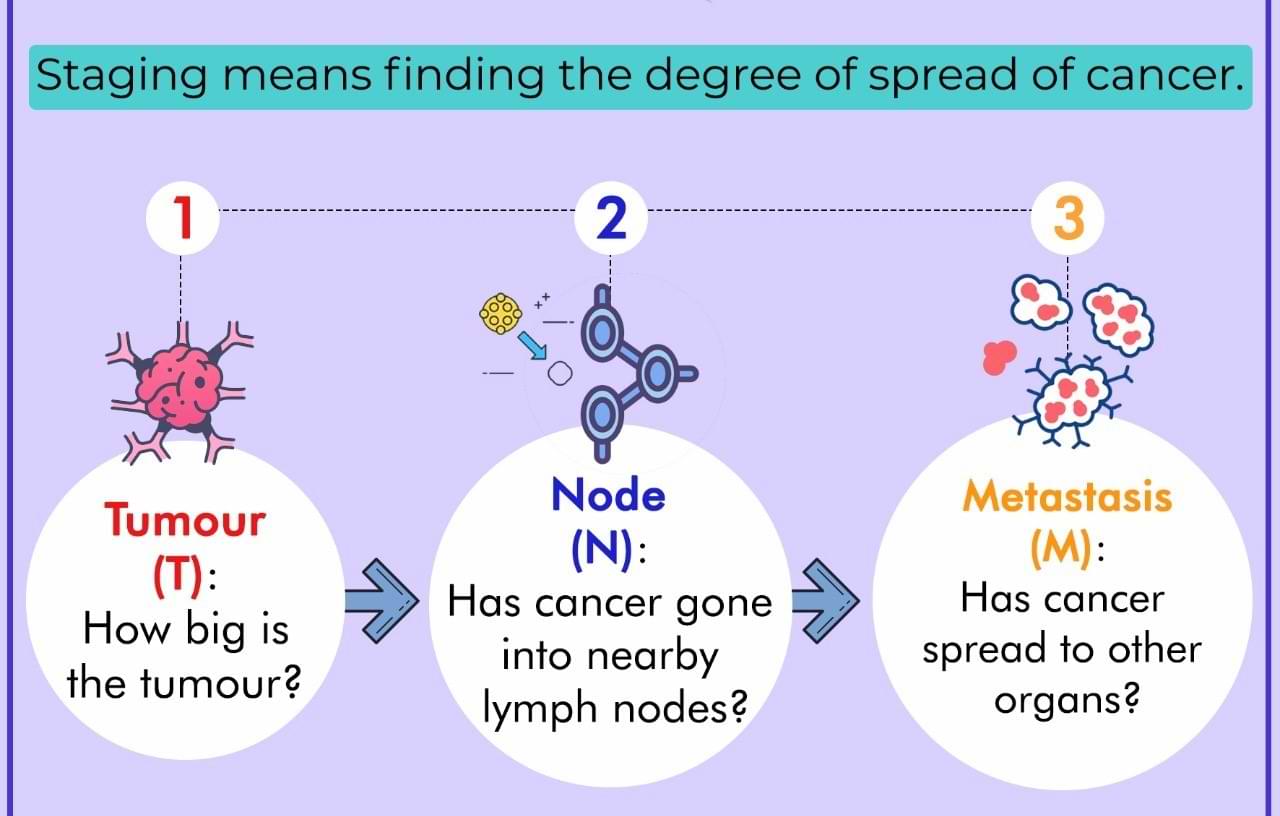
The TNM staging system is used to classify the extent of rectal cancer:
- T (Tumour): How far has the cancer grown into the layers of the rectal wall? Has the cancer reached nearby structures or organs?
- N (Node): Has the cancer spread to nearby lymph nodes? And to how many?
- M (Metastasis): Has the cancer spread to distant lymph nodes or distant organs such as the liver or lungs?
How is rectal cancer treated?
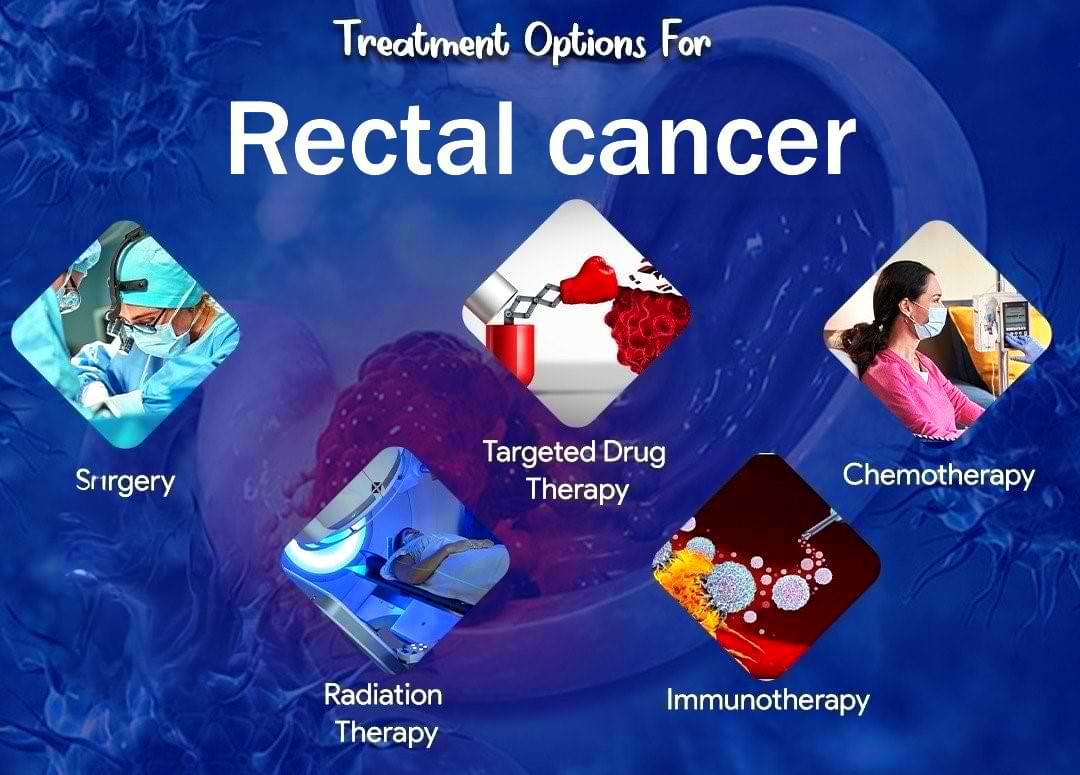
Depending upon the stage and location of the tumour in the rectum, a treatment plan is made. Surgical resection is the mainstay of treatment in those with localised disease. In early tumours, surgical resection is done first and then, depending upon the final stage in the biopsy report, chemotherapy or chemoradiotherapy is administered.
To obtain the best results for advanced tumours, chemotherapy, radiotherapy and surgery are combined in an approach called multimodal treatment. Currently, the standard of care for advanced and low rectal cancers is the administration of chemotherapy or chemoradiotherapy first, called neoadjuvant treatment, followed by surgery.
How is treatment sequenced in rectal cancer?

The sequence of treatment for a rectal tumour is determined by the tumour's extent, stage, location in the rectum, the involvement of adjacent organs and fascia, the presence of disease elsewhere in the body, and the proximity to the sphincter.
Radiotherapy is preferably administered before surgery and can involve either a short or long course of radiation. It is usually combined with single-agent chemotherapy. Typically, doublet chemotherapy is administered after surgery.
For very advanced tumours, both radiation and chemotherapy (or immunotherapy) are used prior to surgery to provide the best results. This approach is called total neoadjuvant treatment (TNT).
Which surgery is done for rectal cancer?
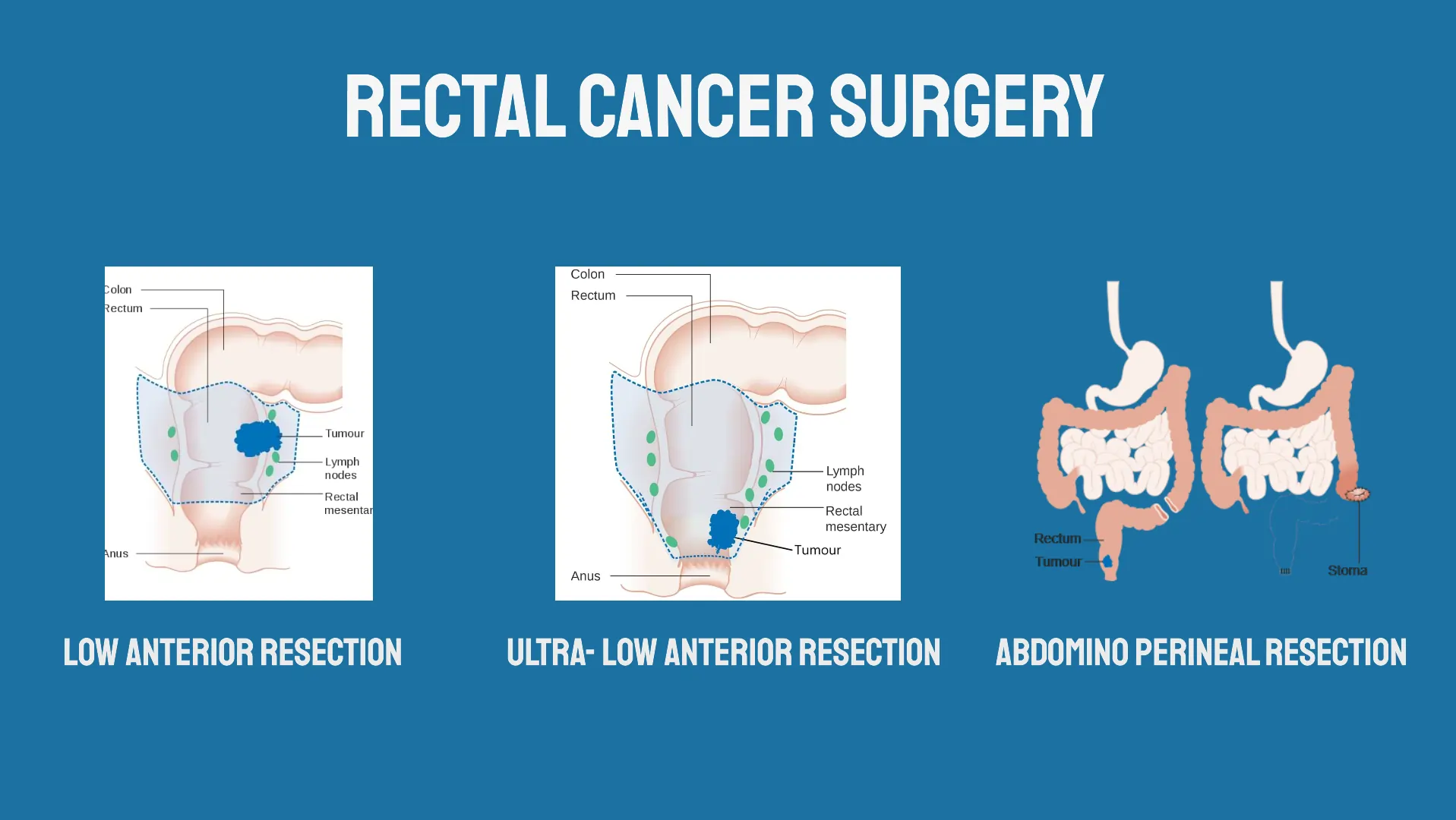
Surgery is the primary treatment for localised rectal cancer. The type of surgery depends on the level of the tumour in the rectum and whether the sphincter can be preserved.
Rectal cancer surgery
- Transanal excision, transanal endoscopic microscopic surgery (TEM) and transanal minimally invasive surgery (TAMIS)
- Anterior resection and low anterior resection
- Ultra-low anterior resection, proctectomy with colo-anal anastomosis, intersphincteric resection
- Abdominoperineal resection (APR)
- Pelvic exenteration
Low anterior resection
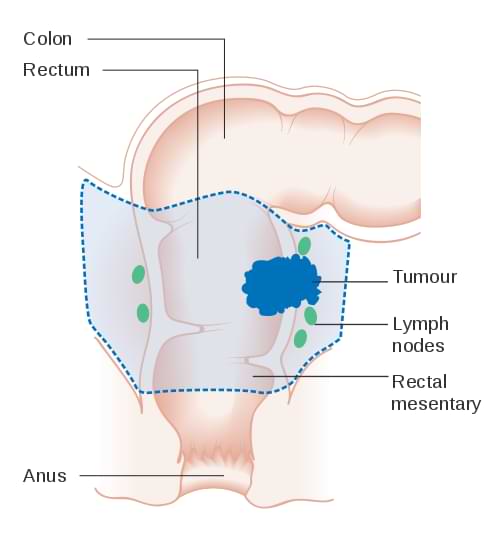
In a low anterior resection, the tumour-bearing part of the rectum is removed and the bowel is joined back together while preserving the sphincter, so the patient continues to pass stools normally.
Ultra-low anterior resection and intersphincteric resection
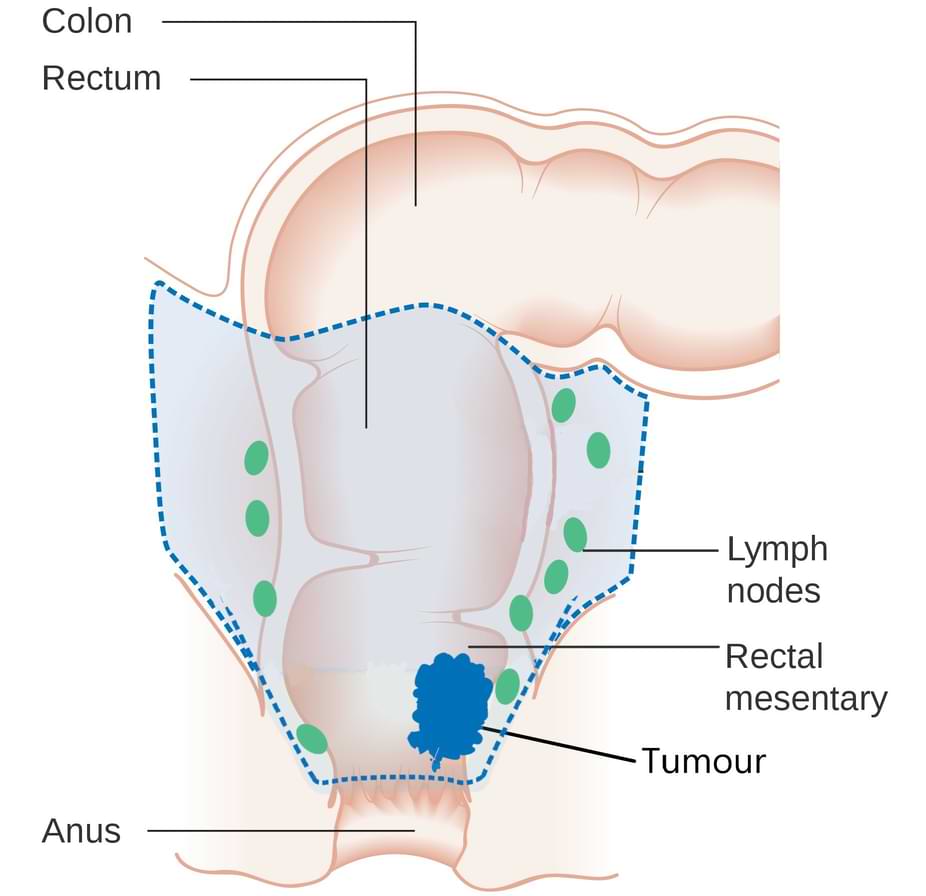
For tumours very close to the anal canal, an ultra-low anterior resection or intersphincteric resection may be done. The sphincter is preserved as much as possible so that a permanent stoma can be avoided.
Abdominoperineal resection (APR)

When the tumour involves the sphincter, the rectum and the anal canal are removed along with the sphincter. In this situation, a permanent colostomy (stoma) is required for the passage of stools.
What are the benefits of minimally invasive surgery for rectal cancer?
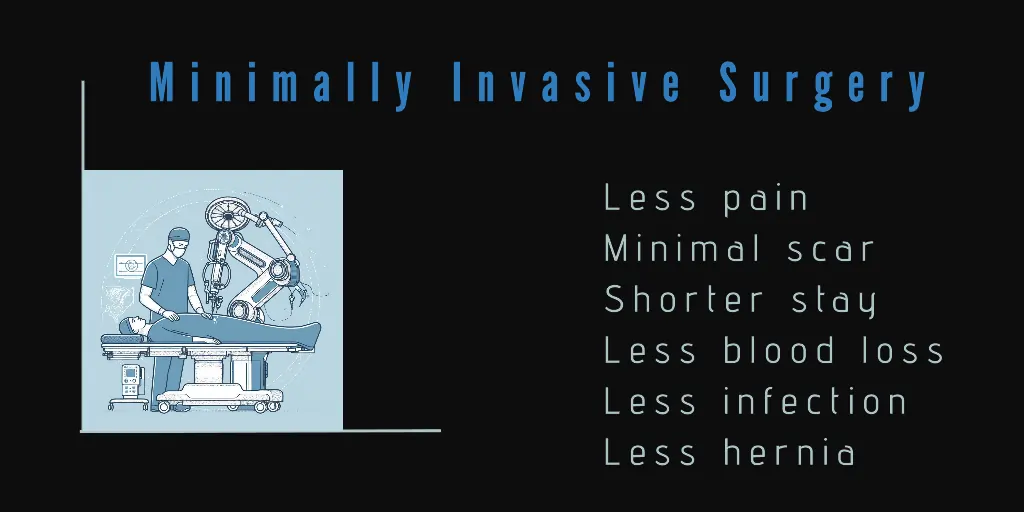
In robotic surgery or laparoscopic surgery, we make a few small holes over the abdomen instead of a large cut.
Minimally invasive surgery is beneficial for the patient in several ways. Post-operative stress and pain are markedly reduced, leading to faster recovery and a shortened hospital/ICU stay. The amount of blood loss during surgery is decreased. There is a quicker return of intestinal movement. The overall complication rate is decreased. All this results in an earlier return to home and work.
Laparoscopic surgery for rectal cancer
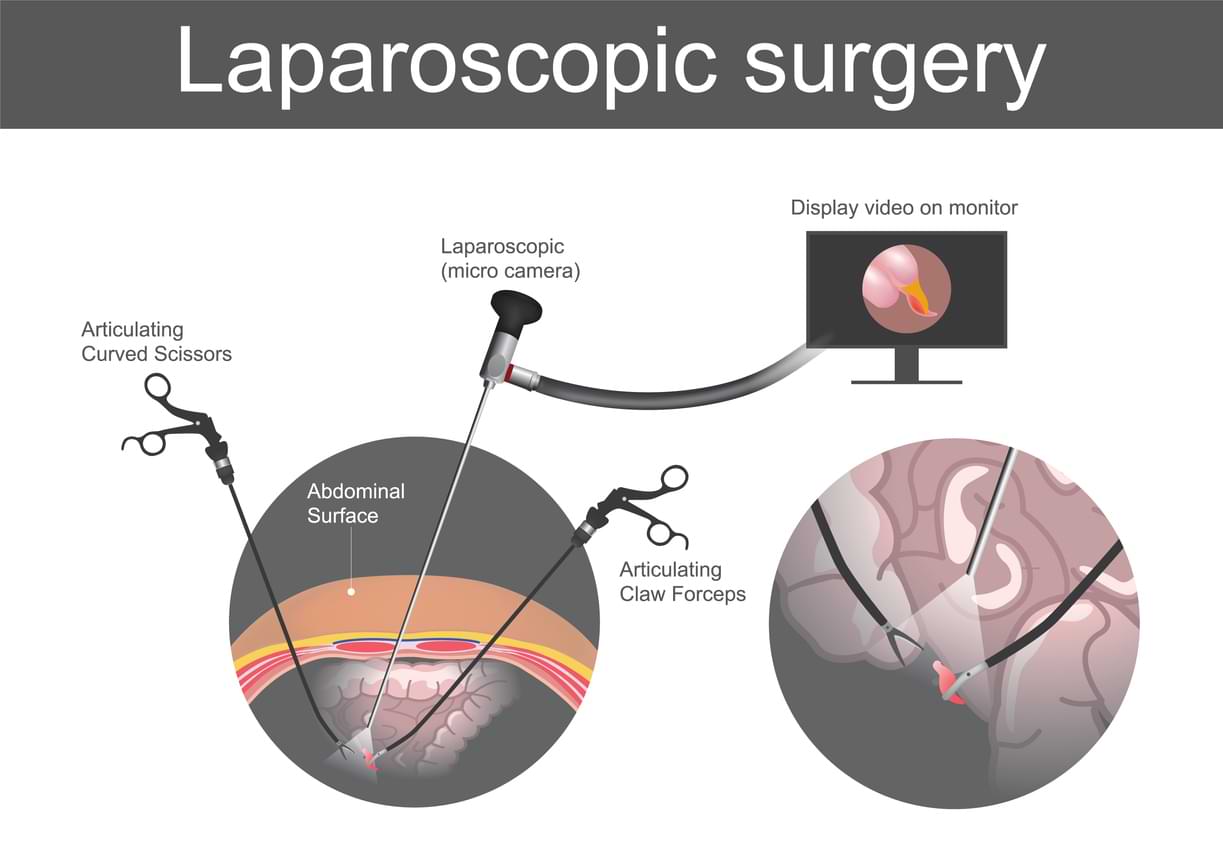
Laparoscopic rectal cancer surgery is performed through small keyhole incisions using a camera and long, thin instruments. It provides magnified views of the narrow pelvis, allowing precise removal of the rectum and surrounding lymph nodes.
What are the survival rates for rectal cancer?
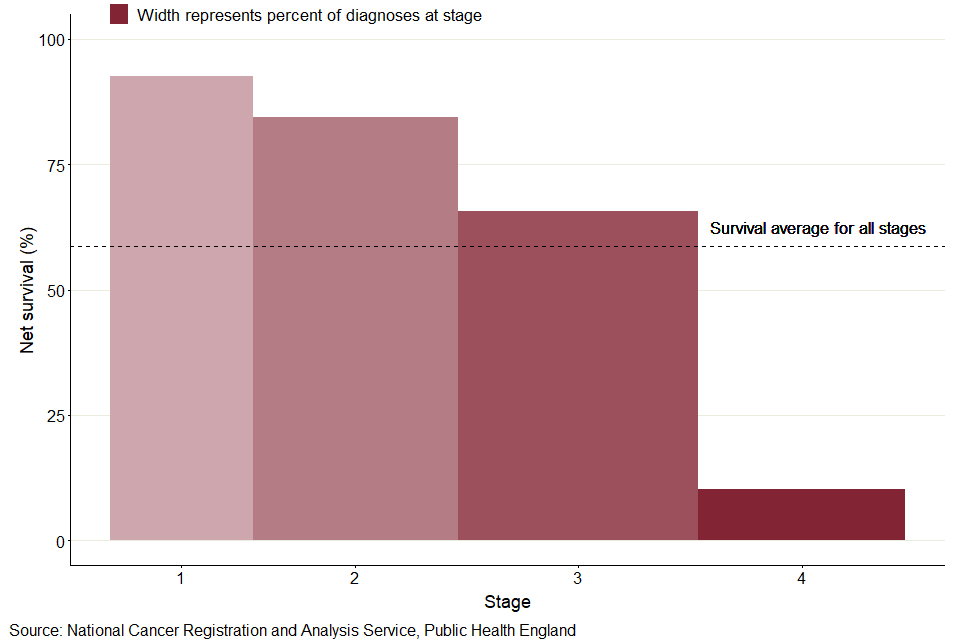
Survival is often measured as 5-year survival — the percentage of people with the same type and stage of cancer who are alive 5 years after diagnosis and can be considered cured. These estimates are generated from many patients.
After treatment for stage 1 colorectal cancer, the 5-year survival is slightly over 90%. For stage 2 it is roughly 60–90%. The 5-year survival for stage III colorectal cancer varies from 45 to 90%, and for stage 4 the 5-year survival is approximately 15%.
Related Articles

About Author
Dr. Nikhil Agrawal
MS, MCh
Dr. Nikhil Agrawal is a leading GI-HPB Surgical Oncologist with 20+ years of experience in complex cancers of the esophagus, stomach, colon, rectum, liver, pancreas, gallbladder, and bile ducts. He leads the GI-HPB Oncology Program at Apollo Hospitals, Delhi and Gurugram, with expertise in advanced robotic and laparoscopic cancer surgery.
His practice focuses on evidence-based, multidisciplinary care with an emphasis on individualized treatment and long-term outcomes.
He trained at BHU, SGPGI Lucknow, AIIMS New Delhi, and SNUBH, South Korea, and is a robotic surgery proctor who trains surgeons in advanced GI-HPB cancer surgery. He is also regularly invited as faculty at national and international scientific meetings.
This website helps patients and families understand GI and HPB diseases and cancers, treatment options, and what to expect during recovery and long-term care.