Total neoadjuvant therapy for locally advanced rectal cancer - an idea whose time has come?


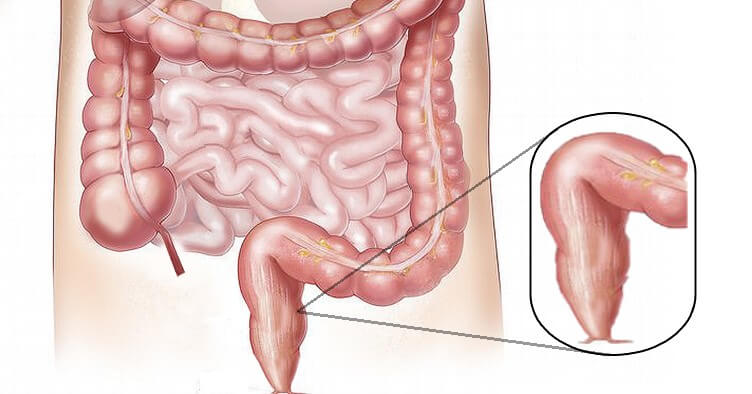
One-third of colorectal cancers occur in the rectum. Colon cancer and rectal cancer share biology and are discussed together. Rectal cancer differs from colon cancer due to its topography, surgical difficulties, complications, relapse pattern and the necessity for sphincter preservation.
Magnetic resonance imaging (MRI)
MRI has become the principal imaging technique for local staging of rectal cancer because of its ability to distinguish tumour from the rectal wall, depict mesorectal fascia, identify extramural vascular invasion (EMVI), characterize suspicious lymph nodes, determine the T substage, delineate distance of tumour to the circumferential resection margin (CRM) and define the relation of low rectal tumour to the anal sphincter. MRI can broadly classify these tumours into "good", "bad", and "ugly".
Local Failure
In the treatment of rectal cancer, good-quality surgery with total mesorectal excision (TME) and clear margins are the keys. The outcome of rectal cancer treatment has historically been plagued with high failure rates, both local recurrence and distant relapse.
The technical difficulties of obtaining a wide surgical margin, the proximity of the rectum to pelvic structures, and the absence of serosa surrounding the rectum make rectal cancer prone to local recurrence.
Addition of radiation to the treatment protocol decreased local failure rates, without a meaningful impact on survival and distant relapse rates.
German rectal cancer Study Group trial (CAO/ARO/AIO-94) was published in 2004. It compared neoadjuvant chemoradiation therapy to adjuvant chemoradiation and found the former to be significantly better.
The neoadjuvant treatment became the standard of care in locally advanced rectal cancer (LARC). It brought marked reduction in local recurrence rates-from as high as 25% to less than 5% to 10% in the contemporary literature.
Two different neoadjuvant approaches have been validated
- Short-course radiotherapy consists of 1 week of radiation (25 gray [Gy] in 5 fractions) typically followed by surgery in 1 week
- Long-course chemoradiotherapy consists of 45 to 50.4 Gy in 25 to 28 fractions with concurrent fluorouracil based chemotherapy followed by surgery in 8 to 12 weeks.
Potential benefits of the SCRT include improved patient convenience, lower rates of acute toxicity and lower cost. CRT has been associated with lower surgical morbidity, higher pathological complete response (pCR) rate, increased sphincter preservation, and a lower incidence of positive radial resection margins. However, several phase III randomized studies have found no difference in oncological outcomes (DFS, OS, local relapse-free survival).
If CRM and/or R0 resection status is predicted at risk, CRT is advised. Otherwise, either SCRT or CRT can be administered.
Distant Failure
Despite neoadjuvant treatment, TME and adjuvant chemotherapy, distant metastatic disease arises in as many as half of patients with LARC and remains as one of the main causes of death.
In an attempt to bring down the distant relapse rates as well, especially for the "ugly" group, various approaches have been tried and include administration of systemic chemotherapy in the neoadjuvant setting called total neoadjuvant therapy (TNT).
Total Neoadjuvant Therapy
Among several reported advantages of TNT are improved delivery of planned therapy, increased downstaging, earlier elimination of micrometastatic disease, and an opportunity for in vivo assessment of chemosensitivity. Besides, eliminating the need for postoperative therapy reduces the duration of diverting ileostomy and saves patients from undergoing chemotherapy with a stoma. Few recent trials have come up with promising data on TNT.
RAPIDO Trial
It was an international phase 3 randomized controlled trial which included locally advanced rectal cancer patients with cT4a/b, extramural vascular invasion, cN2, involved mesorectal fascia, or enlarged lateral lymph nodes considered to be metastatic. It compared TNT involving a short course of radiation followed by six courses of CAPOX or nine cycles of FOLFOX4 followed by TME after 23 to 24 weeks with control arm which consisted of Capecitabine-based chemoradiotherapy (25–28 × 2.0–1.8 Gy) followed by TME and optional postoperative treatment with 8 cycles of CAPOX or 12 cycles of FOLFOX4. Disease-related Treatment Failure (DrTF) was defined as locoregional failure, distant metastasis, a new primary colon tumour or treatment-related death.
Experimental arm experienced fewer DrTF at 3 years: 23.7% vs 30.4% (hazard ratio [HR] = 0.75; P = .019). The difference was mainly due to a significant decrease in distant metastases, which occurred in 20.0% vs 26.8%, respectively (HR = 0.69; P= .005). It increased the pathological complete response (pCR) rate from 14 to 28 per cent. R0 resection rate or overall surgical morbidity was not altered. 84% of all patients received at least 75% of the prescribed chemotherapy in the experimental arm compared to 58% in the control arm.
After a median follow-up of approximately 4.5 years, 3-year overall survival was comparable: 89.1% in the experimental arm and 88.8% in the control arm (HR = 0.92; P = .59). No significant differences were seen in overall health, overall quality of life, or scores for low anterior resection syndrome.
PRODIGE 23 Trial
It included 461 patients from 35 French centres. The trial offered induction triplet neoadjuvant chemotherapy (6 cycles of modified FOLFIRINOX) followed by neoadjuvant CRT, surgery and a further 3 months of chemotherapy. Control arm consisted of preoperative chemoradiotherapy (50.4 Gy over 5 weeks) plus capecitabine, followed by total mesorectal excision and then 6 months of modified FOLFOX or capecitabine as adjuvant chemotherapy.
The pCR improved from 11.7 to 27.5 per cent and the 3-year metastasis-free survival rate from 71.7 to 78.8 per cent with TNT compared with the control arm. For the same duration of chemotherapy, the perioperative approach was better tolerated than adjuvant chemotherapy.
OPRA Trial
Phase II Organ Preservation of Rectal Adenocarcinoma (OPRA) trial randomized MRI stage II and III rectal cancer patients to 4 months of neoadjuvant chemotherapy (FOLFOX or CAPEOX) followed by CRT (induction) or the inverse sequence (consolidation). Patients were assessed clinically, endoscopically and by imaging after 8–12 weeks. Those with a good clinical response were followed with watchful waiting.
Three-year disease and metastasis-free survival rates were similar in the OPRA trial arms but organ preservation was better in the consolidation group than the induction group (58 versus 43 per cent respectively).
CAO/ARO/AIO-12
Patients with stage II or III rectal cancer were assigned to group A for induction chemotherapy using three cycles of fluorouracil, leucovorin, and oxaliplatin before fluorouracil/oxaliplatin CRT or to group B for consolidation chemotherapy after CRT.
Up-front CRT followed by chemotherapy resulted in better compliance with CRT but worse compliance with chemotherapy compared with group A. The longer interval between completion of CRT and surgery in group B (median 90 v 45 days in group A) did not increase surgical morbidity. A pCR in the intention-to-treat population was achieved in 17% in group A and 25% in group B.
Conclusion
In LARC patients, TNT approach seems to be a promising option due to its improvements not only in pCR and downstaging rates, but also in reduction of distant failures without increase in treatment-related toxicity. Besides, reduced duration of diverting ileostomy and sparing patients from receiving chemotherapy with a stoma are definite advantages. More trials are needed to find the optimal sequence of chemotherapy and to choose between SCRT and CRT. While both RAPIDO and PRODIGE 23 trials showed a doubling of pCR rates, implying that the sequence of chemotherapy did not matter. The CAO/ARO/AIO-12 trial showed better pCR rates with consolidation chemotherapy. The most promising aspect of these trials is a reduction in distant metastasis rates. We hope that this would translate into better survival rates, finally breaking the jinx of our inability to improve survival rates in rectal cancer.
References
1. Bujko K, et al. Long-term results of a randomized trial comparing preoperative short-course radiotherapy with preoperative conventionally fractionated chemoradiation for rectal cancer. Br J Surg. 2006;93:1215–1223.
2. Cisel B, et al. Long-course preoperative chemoradiation versus 5 × 5 Gy and consolidation chemotherapy for clinical T4 and fixed clinical T3 rectal cancer: long-term results of the randomized Polish II study. Ann Oncol. 2019;30:1298–1303.
3. van der Valk MJ, et al. Compliance and tolerability of short-course radiotherapy followed by preoperative chemotherapy and surgery for high risk rectal cancer—results of the international randomized RAPIDO-trial. Radiother Oncol. 2020;147:75–83.
4. Conroy T, et al. Total neoadjuvant therapy with mFOLFIRINOX versus preoperative chemoradiation in patients with locally advanced rectal cancer: final results of PRODIGE 23 phase III trial. J Clin Oncol. 2020;38(suppl):4007.
5. Garcia-Aguilar J, et al. Preliminary results of the organ preservation of rectal adenocarcinoma (OPRA) trial.
6. Fokas E, et al. Randomized phase II trial of chemoradiotherapy plus induction or consolidation chemotherapy as total neoadjuvant therapy for locally advanced rectal cancer: CAO/ARO/AIO-12. J Clin Oncol. 2019;37:3212–3222.

About Author
Dr. Nikhil Agrawal
MS, MCh
Dr. Nikhil Agrawal is a leading GI-HPB Surgical Oncologist with 20+ years of experience in complex cancers of the esophagus, stomach, colon, rectum, liver, pancreas, gallbladder, and bile ducts. He leads the GI-HPB Oncology Program at Apollo Hospitals, Delhi and Gurugram, with expertise in advanced robotic and laparoscopic cancer surgery.
His practice focuses on evidence-based, multidisciplinary care with an emphasis on individualized treatment and long-term outcomes.
He trained at BHU, SGPGI Lucknow, AIIMS New Delhi, and SNUBH, South Korea, and is a robotic surgery proctor who trains surgeons in advanced GI-HPB cancer surgery. He is also regularly invited as faculty at national and international scientific meetings.
This website helps patients and families understand GI and HPB diseases and cancers, treatment options, and what to expect during recovery and long-term care.