Colon Cancer Treatment and surgery in Delhi, India


What is colon?
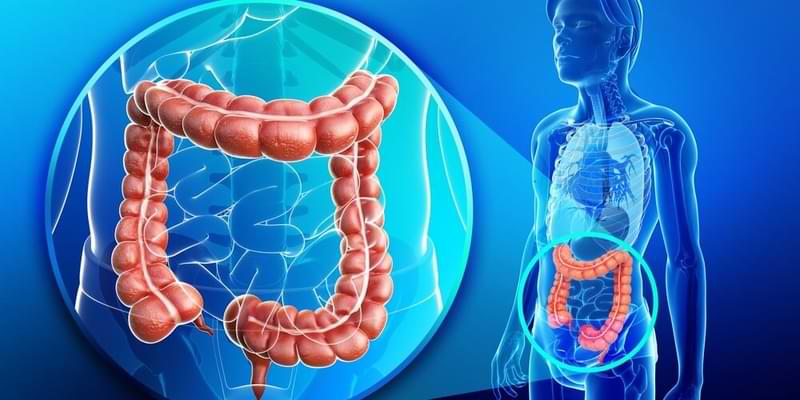
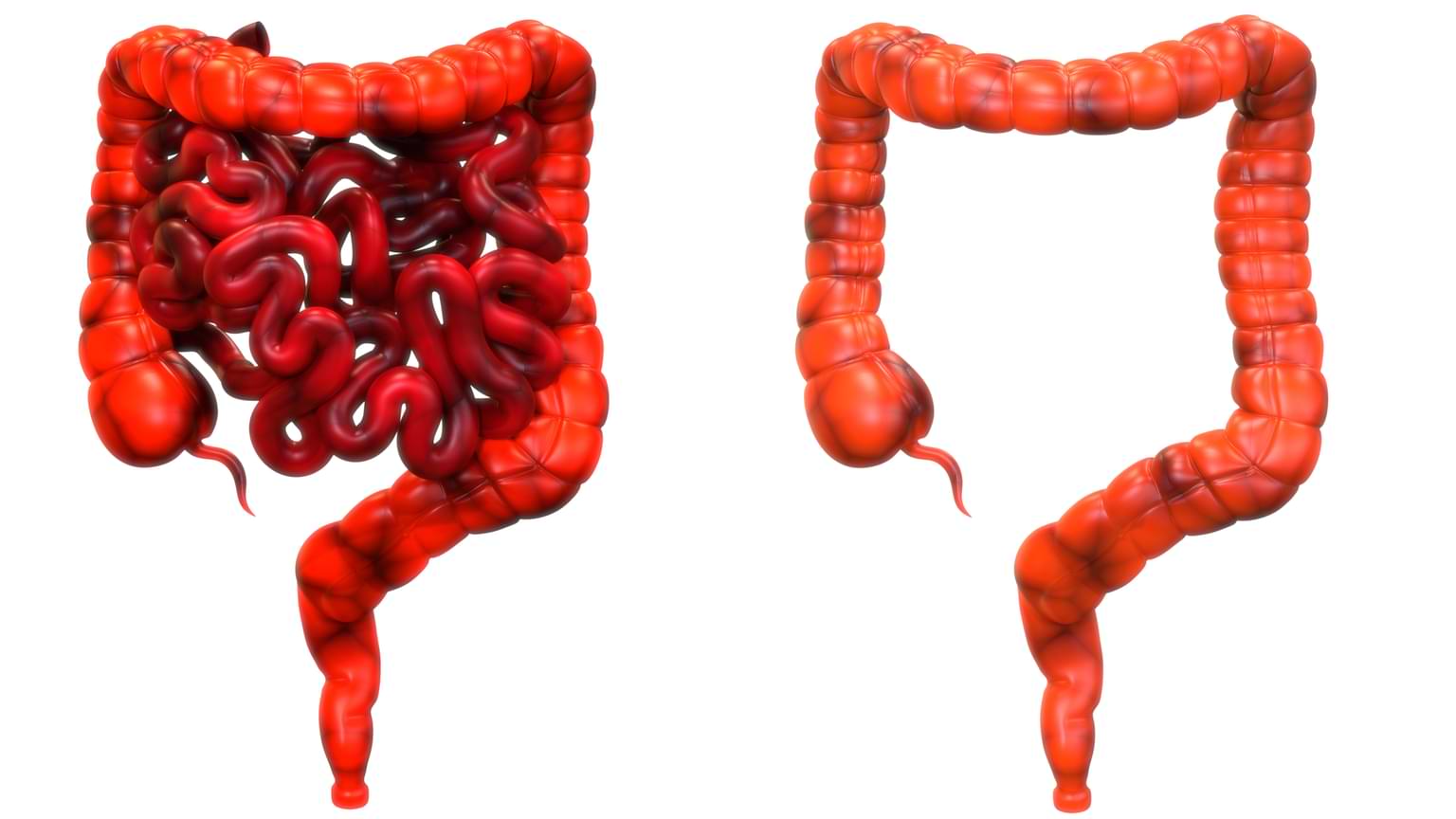
The large intestine starts with the colon, which is about 5 feet long and ends in the rectum and anal canal. Caecum and ascending colon, transverse colon, descending colon and sigmoid colon are four parts of the colon.
What is Colon cancer?
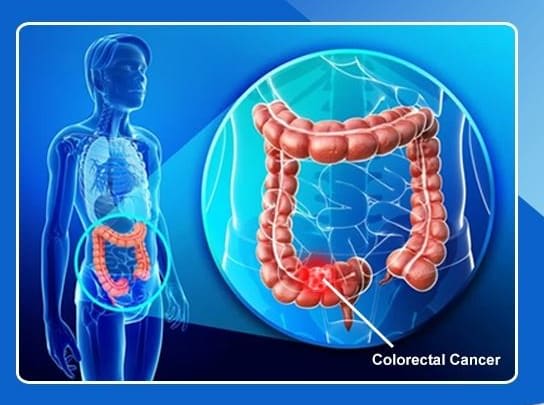
Colon cancer arises when cells in the colon develops mutations, becomes cancerous (malignant), begin to multiply out of control, form a mass and then spreads. Colon cancer begins in the innermost layer, the mucus-producing cells that line the colon.
Most colorectal cancers start as small mounds of flesh called polyps. Over time, some of these polyps develop into colon cancer.
Colon cancer: do you know?

What are the signs and symptoms of Colon cancer?
Colon cancer symptoms

Altered bowel habits

Blood in stools

Abdominal pain

Incomplete evacuation

Weight loss

Weakness and fatigue

Drop in haemoglobin

Consult doctor

Video on Colon cancer
What are risk factors of Colon cancer?
Risk factors

Older age

Family history of colorectal cancer or polyp

Personal history of colorectal cancer or polyp
Obesity

Diabetes

High fat low fiber diet

Alcohol and smoking

Ulcerative colitis and Crohn's disease
Consult your doctor

How is Colon cancer diagnosed and staged?
Colonoscopy
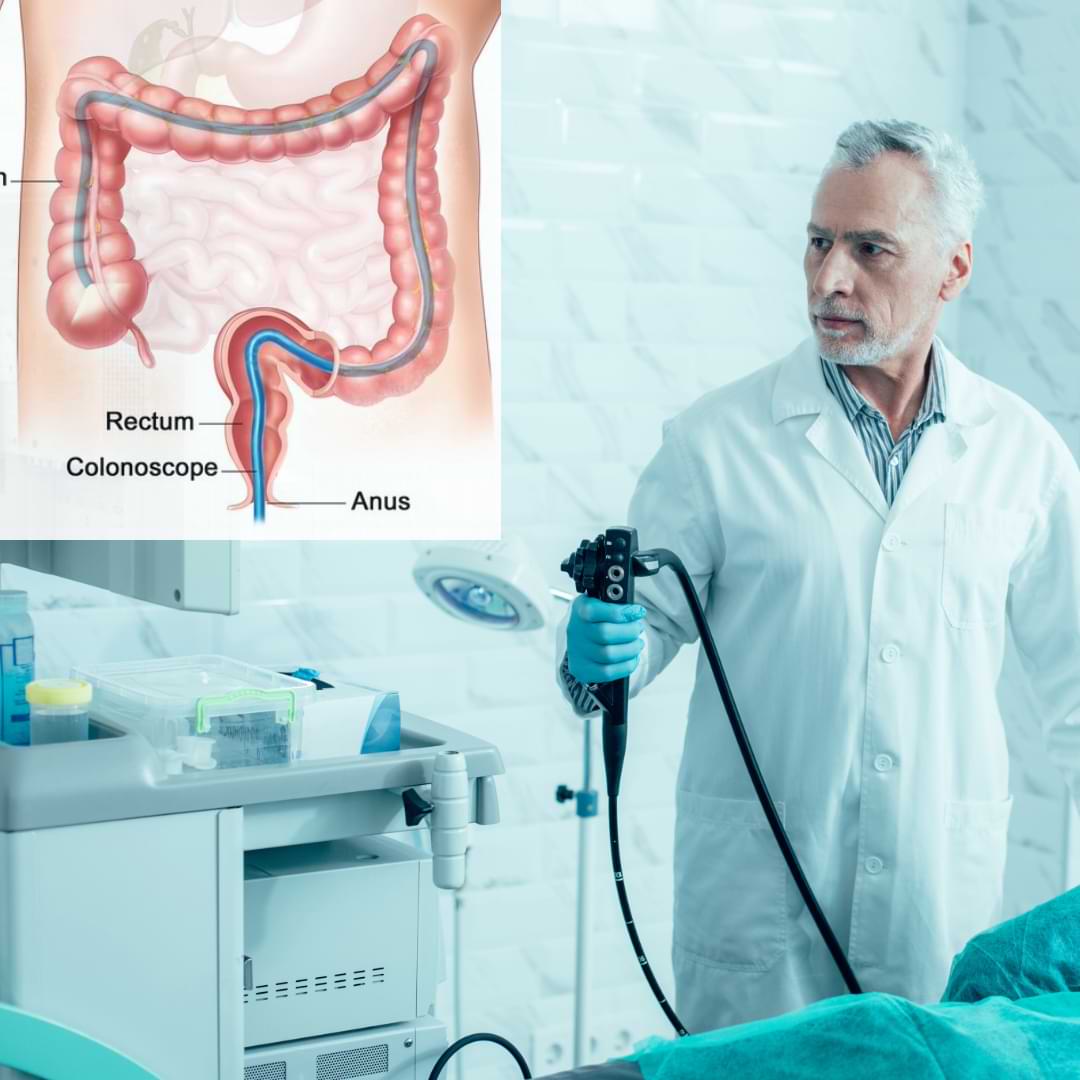
Colonoscopic biopsy
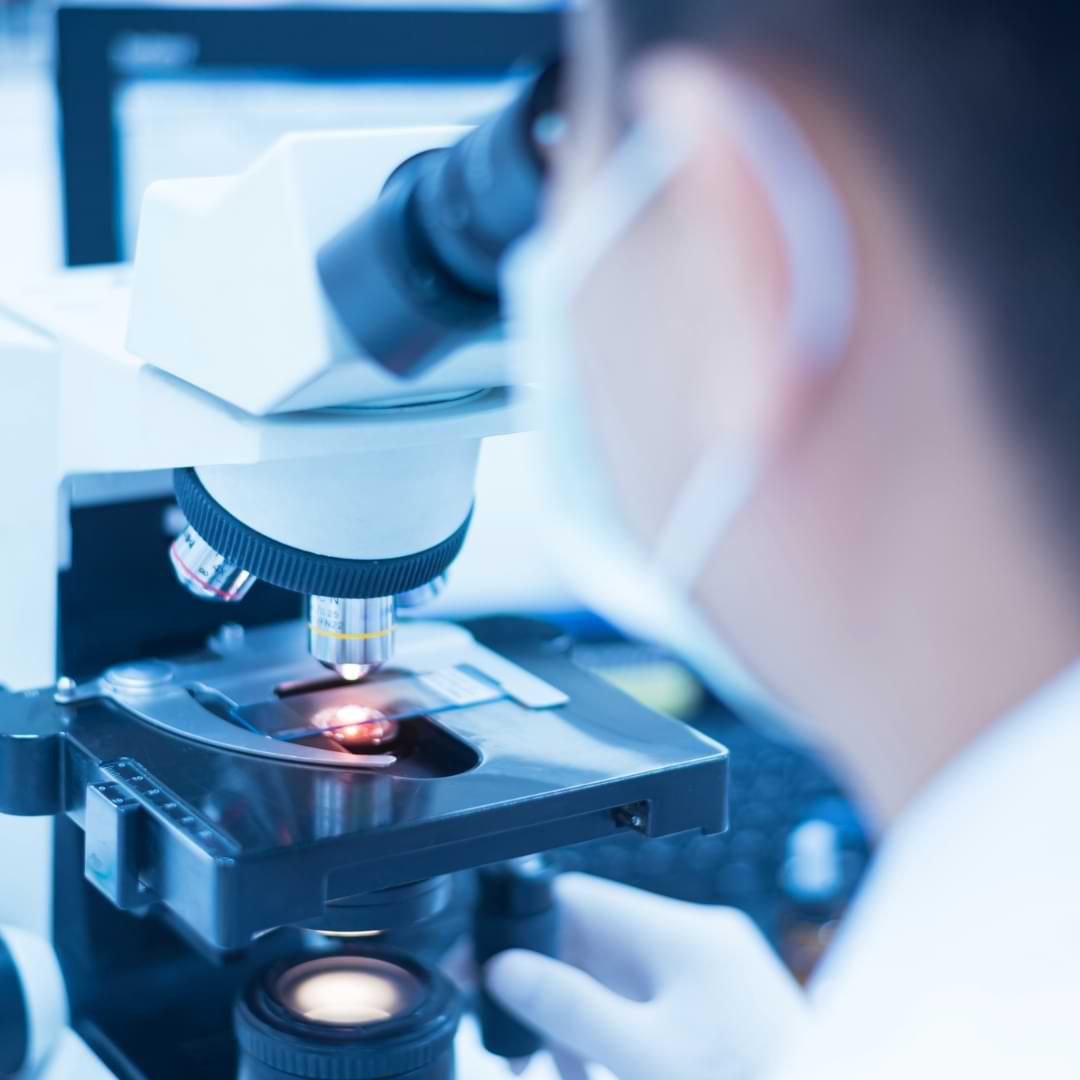
Blood tests and CEA

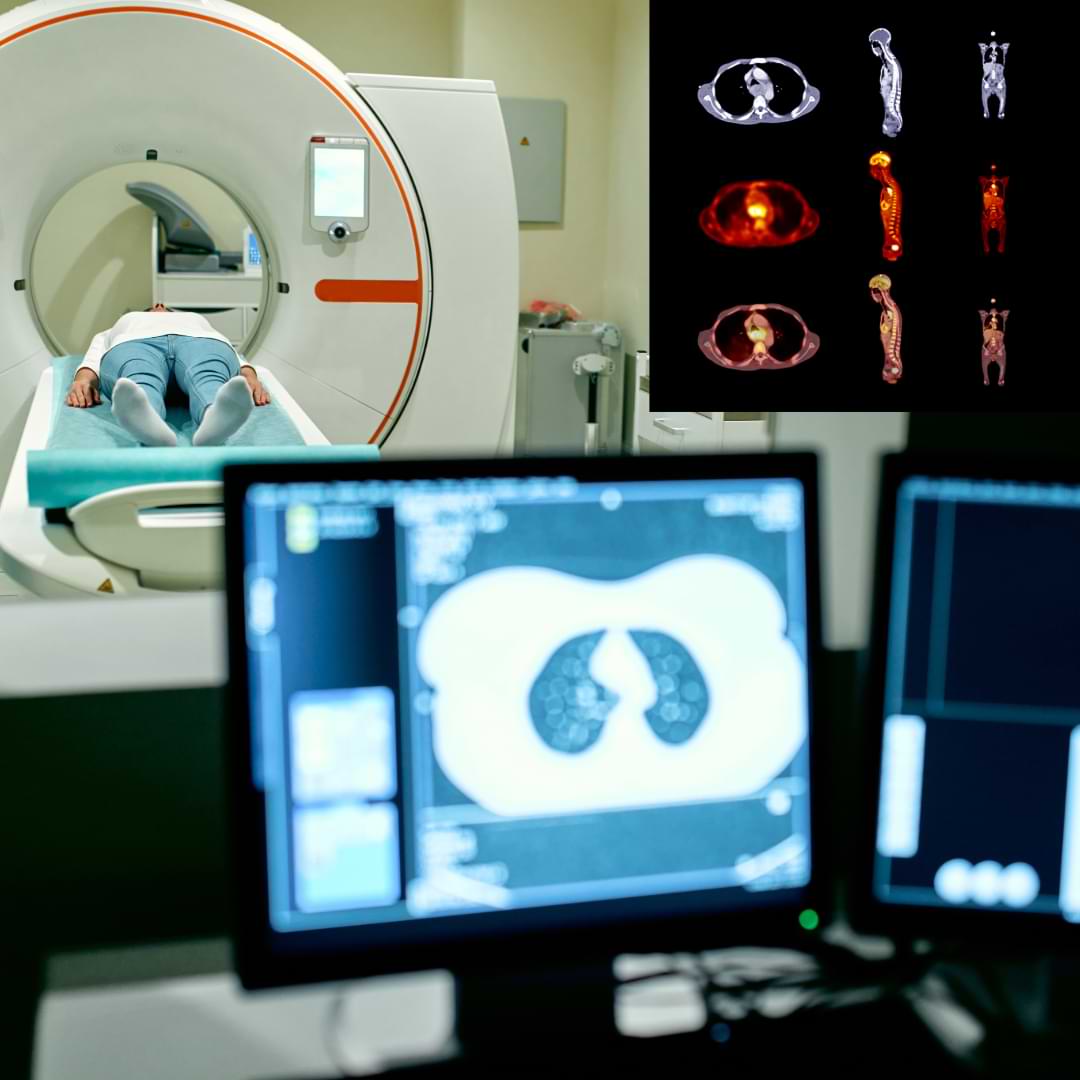
CT or PET-CT scan
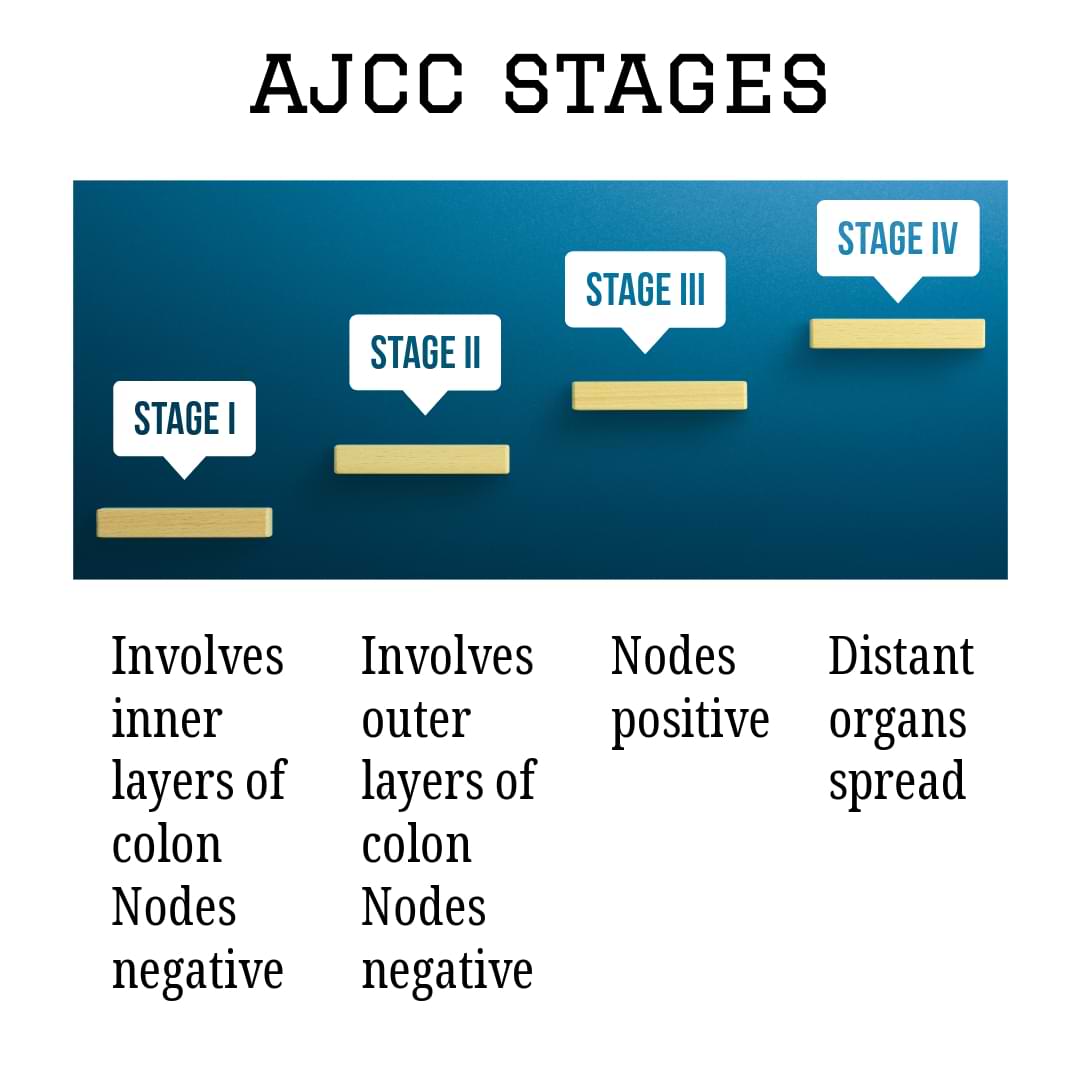
What are the stages of Colon cancer?
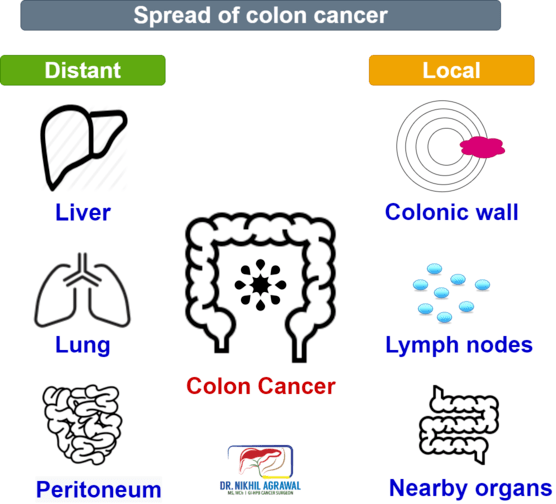
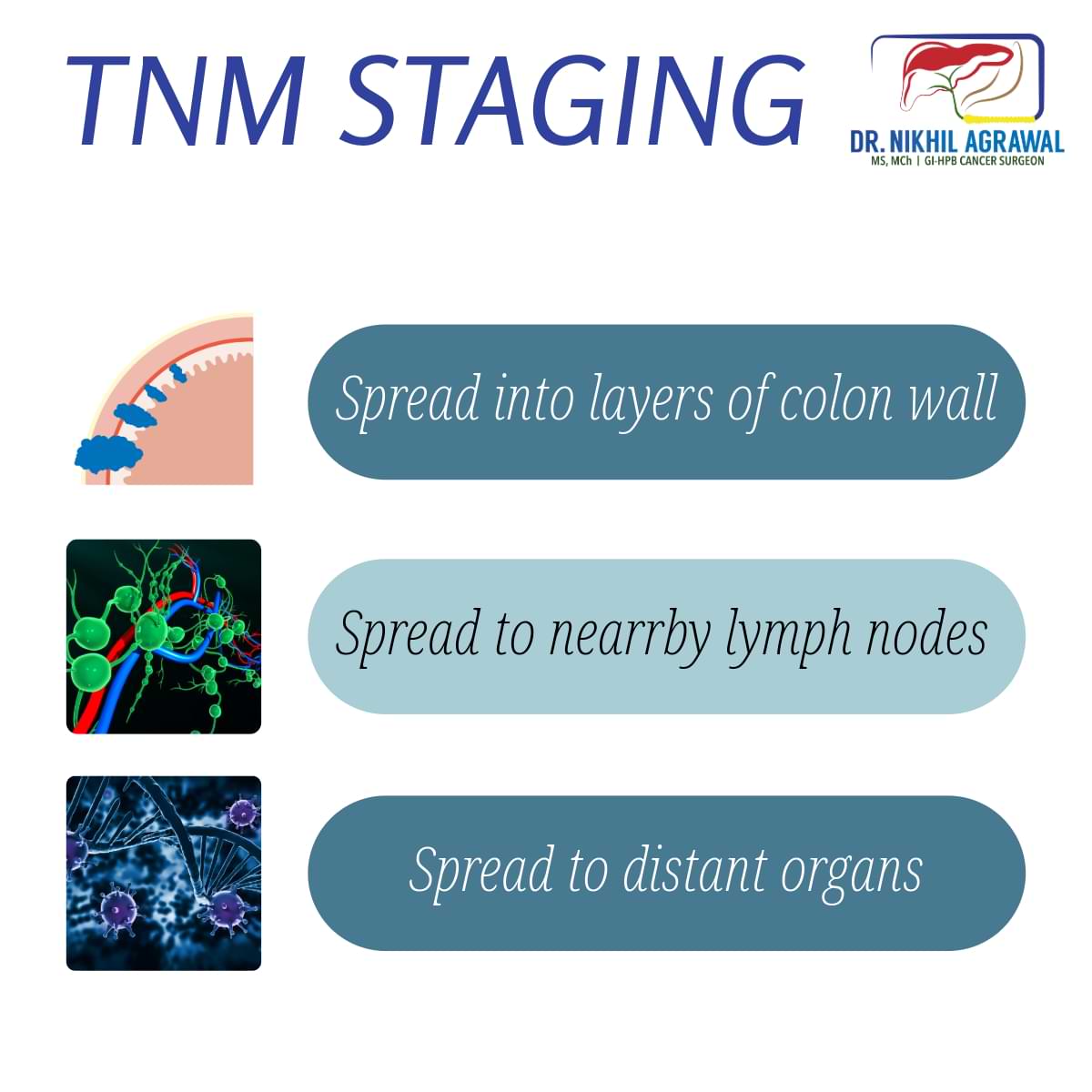
Spread of colon cancer
Colon cancer TNM stage
Colon cancer stages
How is colon cancer treated?
Surgery (colectomy) is the primary treatment
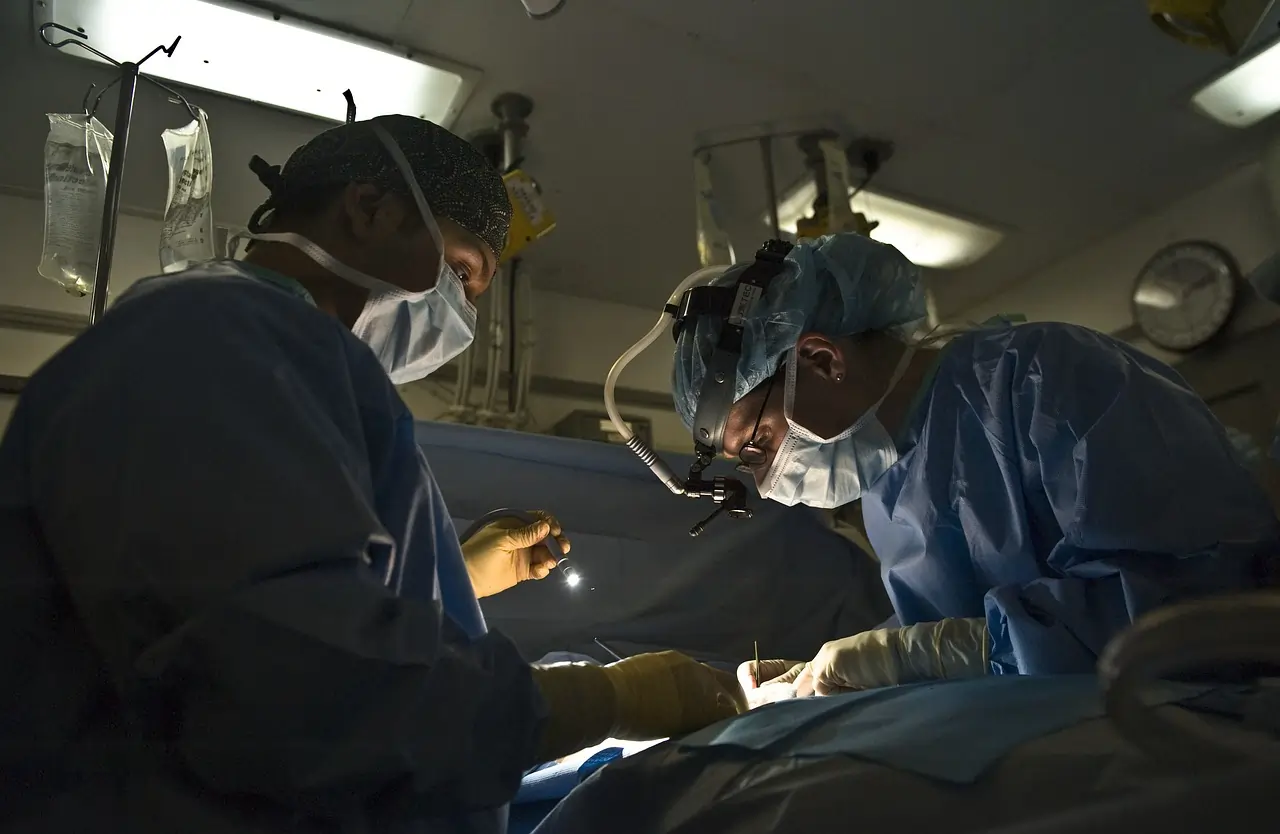
Colectomy: partial removal of colon
Chemotherapy and targeted therapy

Immunotherapy
Can stage 4 colon cancer be cured?
Some stage IV cancers have spread limited to few spots of cancer in the lung, liver and peritoneum. If both colon and all these spots can be safely removed, then surgery can attempt to cure the disease. Besides colectomy, such patients undergo liver resection, lung resection or cytoreductive surgery with HIPEC.
What is laparoscopic colon resection?
Laparoscopic, minimally invasive, or keyhole surgery is an important innovation and is beneficial for the patient in several ways. In laparoscopic surgery, we make a few small holes called ports over the abdomen. One of them is used to insert a slender high-resolution camera that projects a magnified view of the inside of the abdomen onto a high definition monitor. The rest of the ports are used for long and thin instruments. The surgeon deftly manoeuvres the instruments looking at the monitor.
Post-operative stress and pain are markedly reduced, leading to a faster recovery and shortened hospital/ICU stay. The amount of blood loss in the process of surgery has decreased. There is a quicker return of intestinal movement. The overall complication rate is decreased. All this results in an earlier return to home and work.
What is robotic colon cancer surgery?
Robotic surgery combines a surgeon's expertise with advanced robotic technology, featuring a 3D high-definition camera for enhanced vision. The system includes a surgical console for the surgeon and robotic arms with instruments that can maneuver in ways the human hand cannot, making it easier to operate in confined spaces. During the procedure, the surgeon makes small incisions in the abdomen and inserts ports for the robotic arms and instruments. A camera is also inserted through one port to provide a clear internal view. The surgeon controls the robotic arms from the console, while an assistant helps by managing instruments and providing support.
What is the best treatment for Colon cancer?
The best treatment for Colon cancer is surgery, if it is possible. Surgery should only be considered if the tumor can be completely removed, as partial removal does not improve patients' chances of living longer. In some cases, complete removal of tumour is possible after a few cycles of chemotherapy.
What is treatment of advanced stage 4 colon cancer?
Advanced stage 4 colon cancers are treated with chemotherapy, targeted therapy and immunotherapy.
Stay Alert! Stay Healthy!
Wish you a speedy recovery!

About Author
Dr. Nikhil Agrawal
MS, MCh
Dr. Nikhil Agrawal is a leading GI-HPB Surgical Oncologist with 20+ years of experience in complex cancers of the esophagus, stomach, colon, rectum, liver, pancreas, gallbladder, and bile ducts. He leads the GI-HPB Oncology Program at Apollo Hospitals, Delhi and Gurugram, with expertise in advanced robotic and laparoscopic cancer surgery.
His practice focuses on evidence-based, multidisciplinary care with an emphasis on individualized treatment and long-term outcomes.
He trained at BHU, SGPGI Lucknow, AIIMS New Delhi, and SNUBH, South Korea, and is a robotic surgery proctor who trains surgeons in advanced GI-HPB cancer surgery. He is also regularly invited as faculty at national and international scientific meetings.
This website helps patients and families understand GI and HPB diseases and cancers, treatment options, and what to expect during recovery and long-term care.