GALLBLADDER CANCER
Treatment and Surgery

About Author
Dr. Nikhil Agrawal
MS, MCh
Dr. Nikhil Agrawal is a leading GI-HPB Surgical Oncologist with 20+ years of experience in complex cancers of the esophagus, stomach, colon, rectum, liver, pancreas, gallbladder, and bile ducts. He leads the GI-HPB Oncology Program at Apollo Hospitals, Delhi and Gurugram, with expertise in advanced robotic and laparoscopic cancer surgery.
His practice focuses on evidence-based, multidisciplinary care with an emphasis on individualized treatment and long-term outcomes.
He trained at BHU, SGPGI Lucknow, AIIMS New Delhi, and SNUBH, South Korea, and is a robotic surgery proctor who trains surgeons in advanced GI-HPB cancer surgery. He is also regularly invited as faculty at national and international scientific meetings.
This website helps patients and families understand GI and HPB diseases and cancers, treatment options, and what to expect during recovery and long-term care.
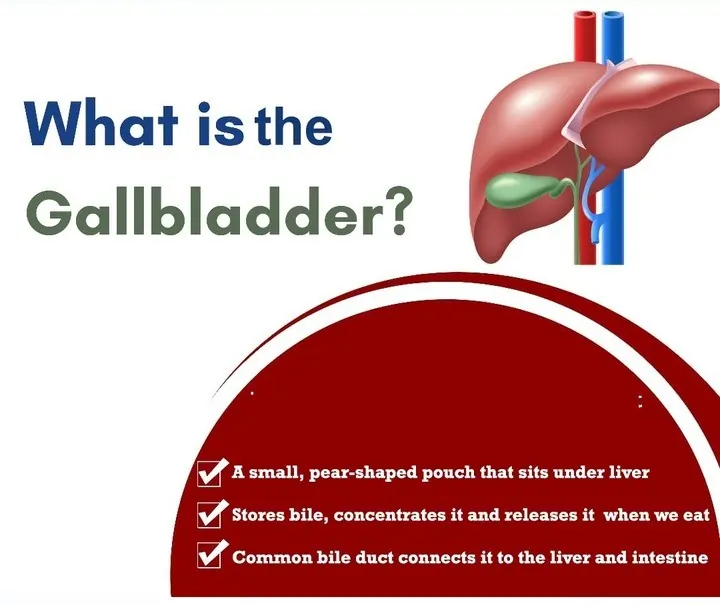
What is the gallbladder?
The gallbladder is a pear-shaped organ located just below your liver and behind the right lower ribs. It stores bile, concentrates it and releases it when we eat. Bile is a digestive juice produced by the liver. The gallbladder is connected to the liver and intestine through a thin tube called the common bile duct.
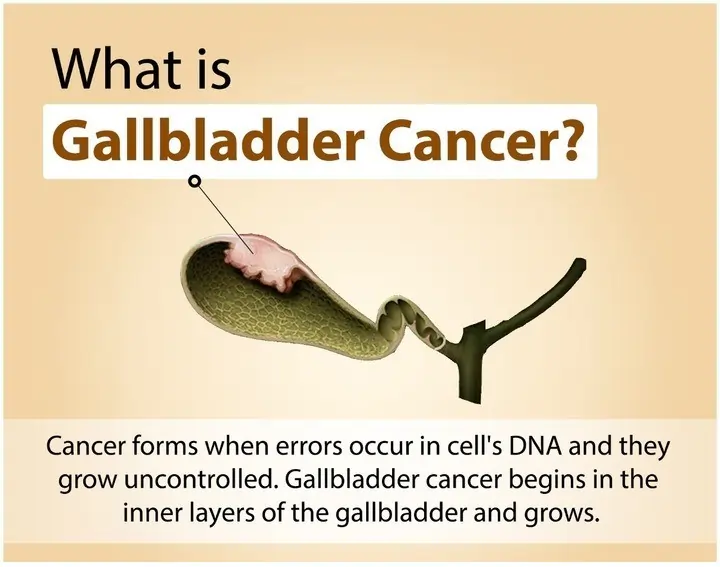
What is gallbladder cancer?
Cancer forms when healthy cells develop changes (mutations) in their DNA. These cells begin to grow uncontrolled, don't die and forms a growing clump called tumour or cancer. Gallbladder cancer begins in the inner layers of the gallbladder. It gradually grows beyond the gallbladder wall and spreads to the liver, bile duct, adjacent lymph nodes and other areas of the body.
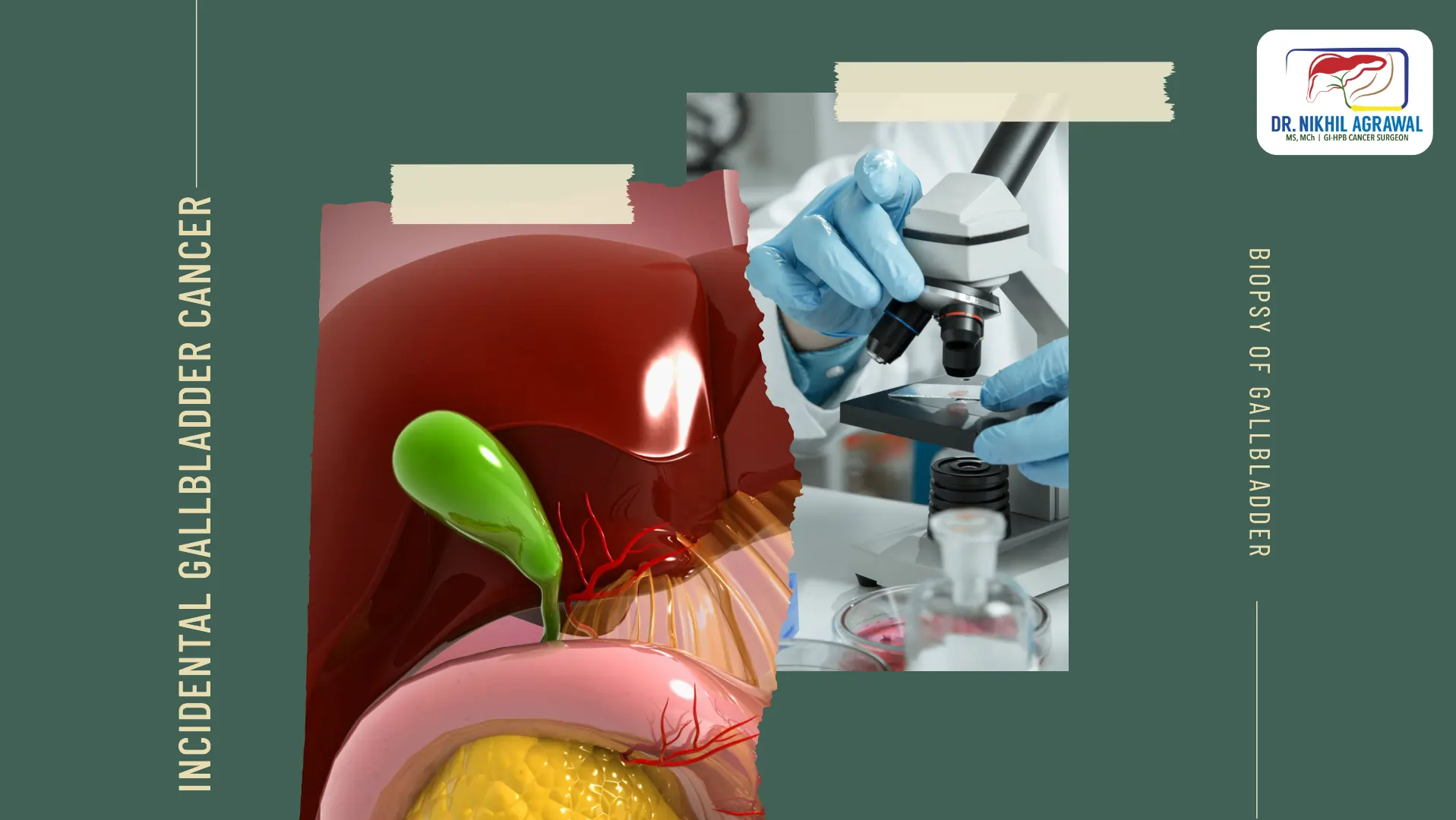
What is incidental gallbladder cancer?
Cancer forms when DNA of cells undergo changes (mutations). These cells then grow uncontrolled and forms a tumour or cancer. Gallbladder cancer begins in the inner layers of the gallbladder. It gradually grows beyond the gallbladder wall and spreads to the liver, bile duct, adjacent lymph nodes and other areas of the body. Gallstones are a common problem in India. Many people suffering from gallstones undergoes gallbladder removal surgery, a laparoscopic cholecystectomy. The gallbladder along with stones is removed in this surgery. The removed gallbladder is then sent for histopathological examination, also called biopsy. In one to two out of a hundred such patients, the biopsy of the gallbladder will show the presence of cancer. This condition is called incidental gallbladder cancer.
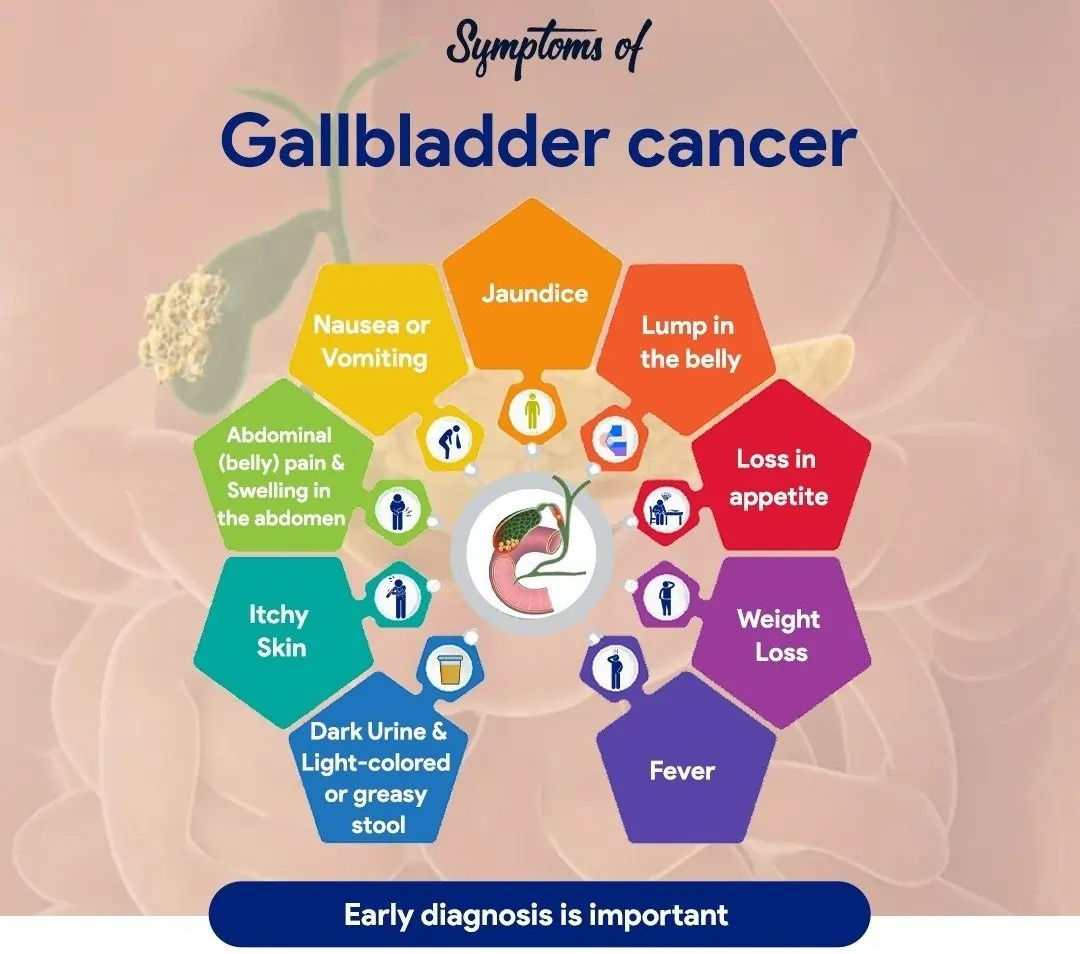
What are the signs and symptoms of gallbladder cancer?
Gallbladder cancer like most gastrointestinal cancers is asymptomatic in initial stages. Many of its symptoms are same as those of gallstones. The symptoms of gallbladder cancer include: Abdominal pain Unexplained weight loss Loss of appetite Jaundice (yellow eyes, skin and urine) Itching
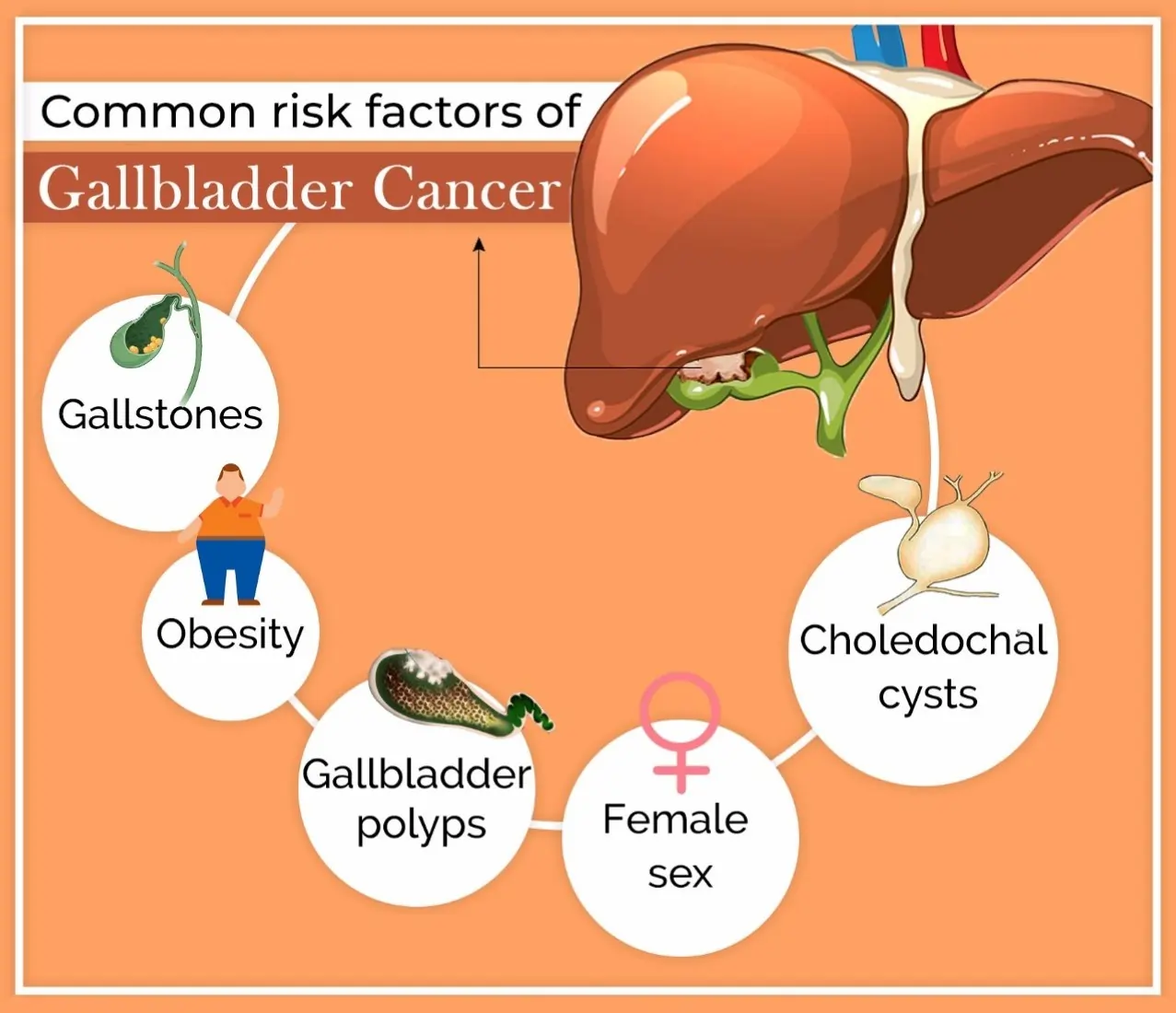
What are risk factors of gallbladder cancer?
Anything that increases the risk of someone getting cancer is a risk factor. Risk factors for gallbladder cancer are: Gallbladder stones Congenital abnormalities of the bile duct such as choledochal cyst Biliary-enteric fistula Calcified gallbladder wall (porcelain gallbladder) Obesity Female sex Gallbladder polyps Primary sclerosing cholangitis
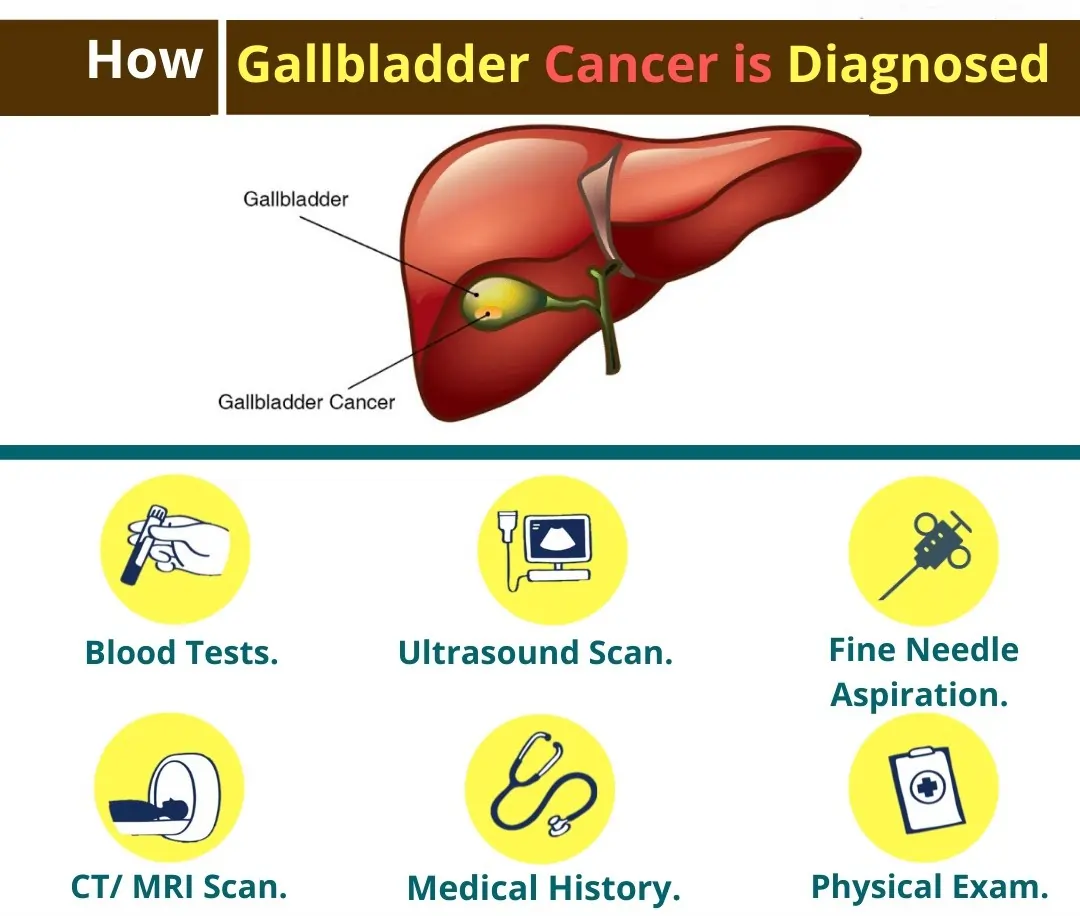
How is gallbladder cancer diagnosed?
Diagnosis means identifying a disease. Once a gall bladder cancer is suspected, usually on an ultrasound, a CT scan, MRI scan or a PET scan is done to diagnose and stage the disease. In advanced tumours biopsy is done to confirm the diagnosis before starting chemotherapy/radiotherapy.
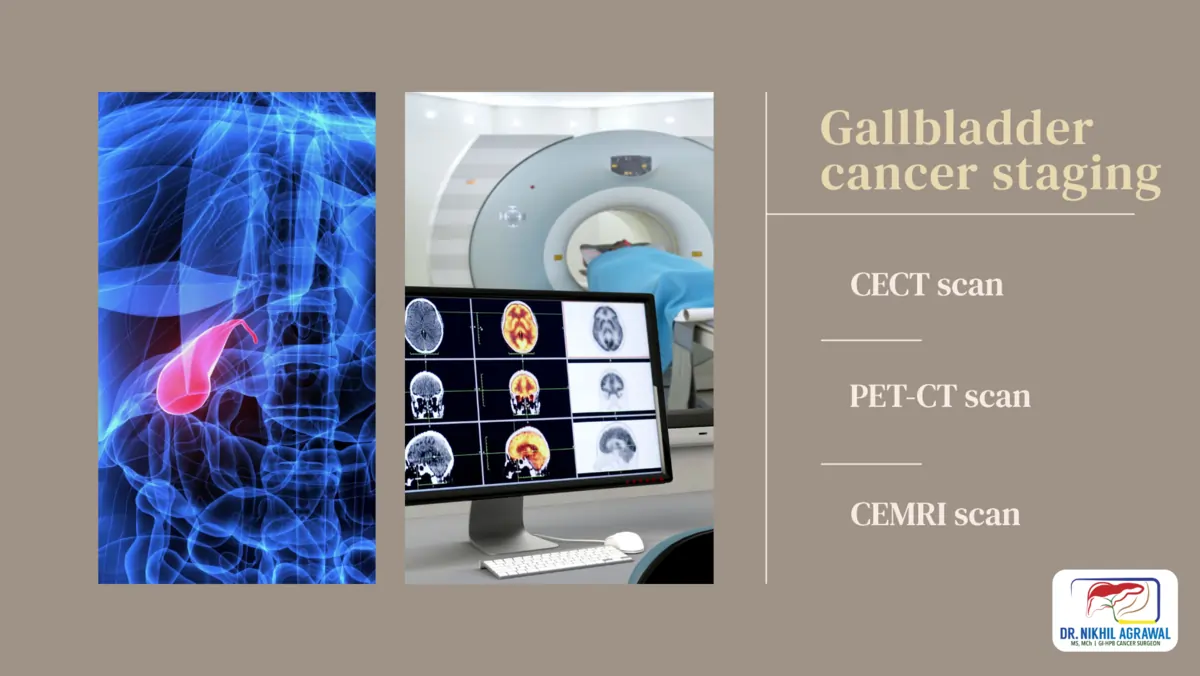
How is gallbladder cancer staged?
Staging determines the disease's extent by assessing the size, location, involvement of adjacent organs, and spread to lymph nodes and distant organs. Positron emission tomography (PET), contrast enhanced computed tomography (CT) scans or MRI scan are used for staging.
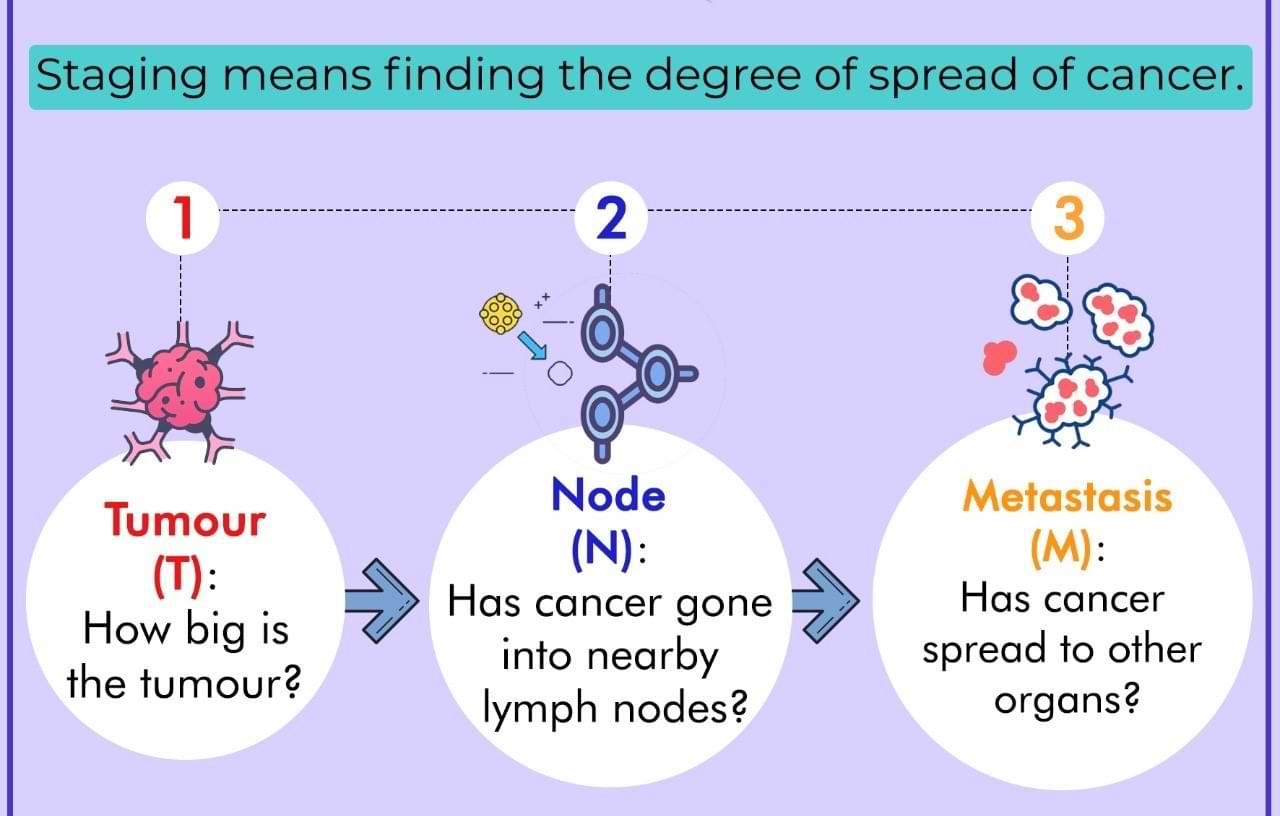
What is TNM staging for gallbladder cancer?
TNM (tumour, node and metastasis) classification developed by the American Joint Committee on Cancer (AJCC) is used for classification of stage and it spans from I to IV. The extent (size) of the tumour (T): How far has cancer grown into the layers of the gallbladder wall? Has cancer reached nearby structures or organs, such as liver? The spread to nearby lymph nodes (N): Has cancer spread to nearby lymph nodes? And to how many? The spread (metastasis) to distant sites (M): Has cancer spread to distant lymph nodes or distant organs such as the peritoneum or lungs?
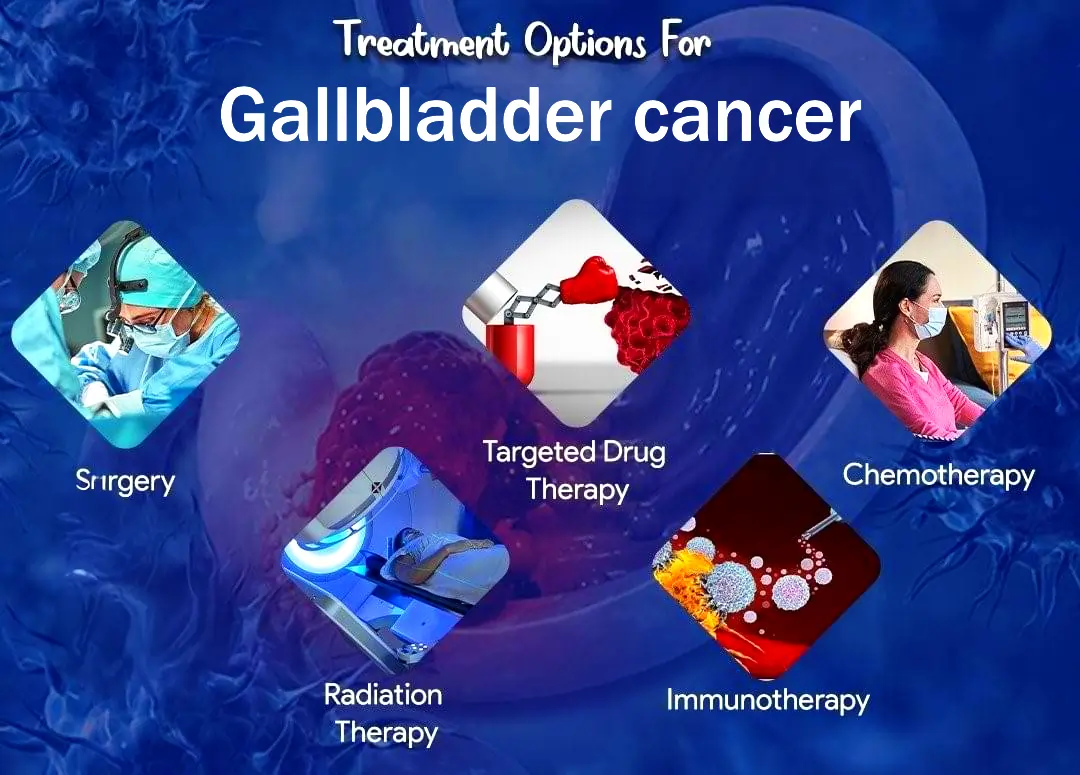
How is gallbladder cancer treated?
Treatment for gallbladder cancer depends on several factors: The stage of the cancer One's overall health The chances of curing the disease, extending life, or relieving symptoms. The main treatment for gallbladder cancer include: Surgery for Gallbladder Cancer Chemotherapy, targeted therapy and immunotherapy Radiation Therapy
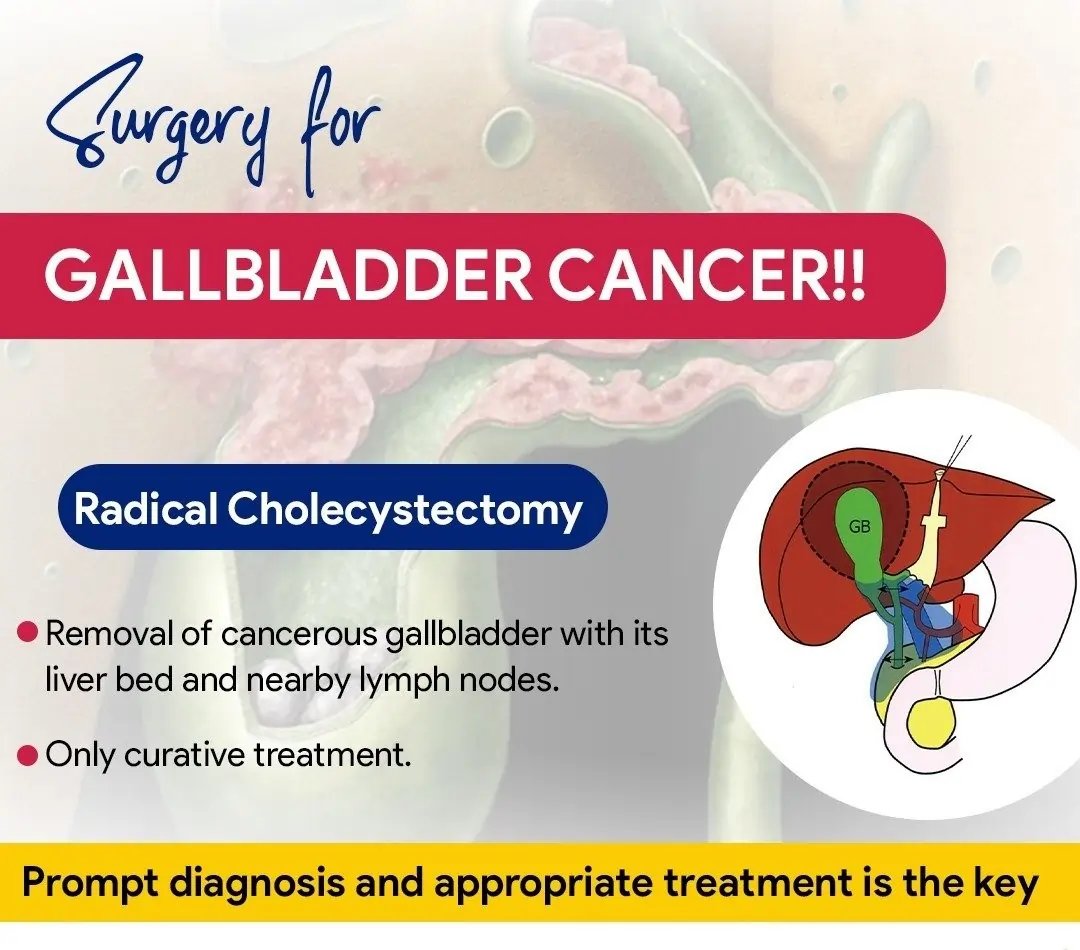
Which surgery is done for gallbladder cancer?
If detected early in a stage where it has not spread, gall bladder cancer can be treated by surgery. Surgery for gallbladder cancer is called radical cholecystectomy or extended cholecystectomy.
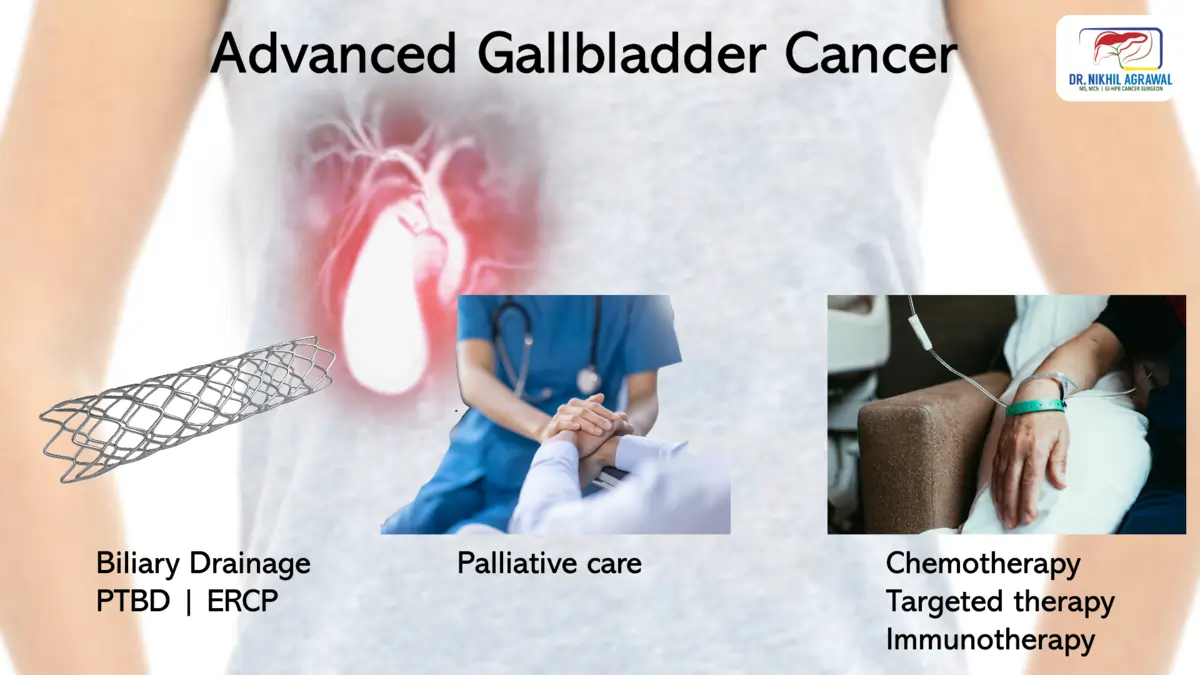
How is advanced gallbladder cancer treated?
Wish you a speedy recovery!